

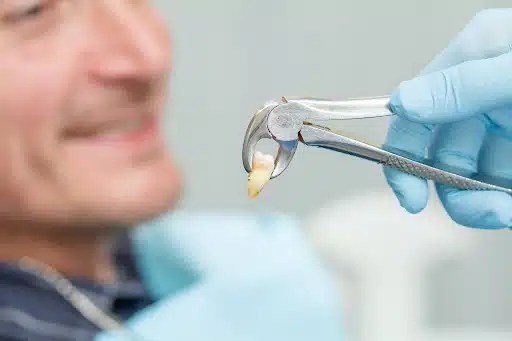
Approximately 5 million wisdom teeth are removed in the U.S. each year — but recovery times, complication rates, and overall outcomes vary significantly based on the skill of your surgical team and the techniques they use.
Whether you are dealing with impacted wisdom teeth, pain, infection, or preventative removal, choosing a provider who specializes in expert oral surgery can make a significant difference in your outcome. At Wisdom Tooth Central, the focus goes beyond tooth removal — it is on delivering advanced surgical care with a strong emphasis on patient comfort, safety, and faster healing. Learn more about our wisdom tooth removal service to understand what sets our approach apart.
What Is Oral Surgery?
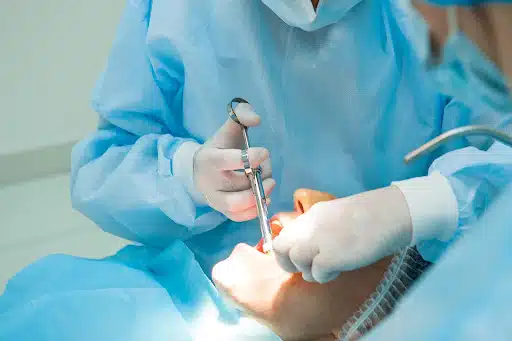
Expert oral surgery goes beyond basic tooth extraction. It involves advanced training, surgical precision, and modern techniques designed to minimize trauma and accelerate healing. Oral and maxillofacial surgeons (OMS) complete a minimum of four additional years of hospital-based residency training beyond dental school — managing complex cases alongside medical physicians.
Expert oral surgery typically includes:
- Comprehensive diagnostic imaging and evaluation (OPG or CBCT)
- Personalized treatment planning based on impaction type and anatomy
- Advanced surgical techniques to minimize tissue disruption
- Sedation options including IV sedation and general anesthesia
- Platelet-Rich Fibrin (PRF)-enhanced healing protocols
- Detailed post-operative care instructions and follow-up
When these elements come together, patients experience less discomfort, reduced swelling, and a more predictable recovery timeline. Meet our surgical team to learn about the credentials and experience behind every procedure.
Understanding Wisdom Tooth Impaction Types
Not all wisdom teeth are created equal. The position and angle of your wisdom tooth directly affect the complexity of removal, the surgical technique used, and your expected recovery time. The four main types of impaction are:
Mesioangular Impaction
The most common type. The tooth is angled forward, toward the front of your mouth. This often causes pressure on adjacent teeth and requires surgical intervention.
Horizontal Impaction
The tooth lies completely sideways beneath the gum. This is considered the most complex type, typically requiring bone removal and a longer recovery period.
Vertical Impaction
The tooth grows in the correct direction but cannot fully break through the gum line, often due to overcrowding. Surgical removal may still be required.
Distoangular Impaction
The tooth is angled toward the back of the mouth. Less common but can be technically challenging depending on jaw anatomy.
At Wisdom Tooth Central, diagnostic imaging identifies your exact impaction type before surgery, allowing the team to plan the most precise, minimally disruptive approach for your case. Schedule a consultation to get your imaging reviewed by a specialist.
Why Specialization Matters in Wisdom Tooth Removal
Because wisdom teeth vary significantly from patient to patient, experience and focus matter. At Wisdom Tooth Central, the practice specializes exclusively in wisdom tooth removal. This focus allows the surgical team to handle both routine and highly complex extractions with efficiency and precision.
The more experienced the surgical team, the shorter the procedure time and the lower the likelihood of complications — both of which contribute directly to a faster, less painful recovery. Explore our wisdom tooth removal process to see how specialization shapes every step.
Risks and Complications of Wisdom Tooth Surgery: What You Should Know
Like any surgical procedure, wisdom tooth removal carries some risks. Understanding these upfront helps you make an informed decision and know what to watch for during recovery.
Dry Socket (Alveolar Osteitis)
Dry socket occurs when the blood clot at the extraction site becomes dislodged before healing is complete. It causes significant pain and can delay recovery. Risk is higher in smokers and patients on certain medications. At Wisdom Tooth Central, PRF therapy and precise surgical technique are used specifically to reduce this risk.
Temporary Nerve Sensitivity
In some lower wisdom tooth cases, roots may be near the inferior alveolar nerve. Temporary tingling or numbness in the lip, chin, or tongue is uncommon but possible. Your surgeon will review CBCT imaging beforehand to assess and minimize this risk.
Infection
Post-surgical infections can occur if bacteria enter the site before healing. This risk is managed through proper aftercare, prescribed antibiotics when indicated, and consistent follow-up.
Swelling and Stiffness
Some degree of swelling and jaw stiffness is expected and normal. Peak swelling typically occurs 48–72 hours after surgery and gradually reduces over the following week.
The team at Wisdom Tooth Central will review all risks specific to your anatomy and health history before your procedure, so you can proceed with clarity and confidence.
Advanced Healing with Platelet-Rich Fibrin (PRF)
One of the most effective healing enhancements used at Wisdom Tooth Central is Platelet-Rich Fibrin (PRF). PRF is created from a small sample of your own blood, which is centrifuged to concentrate growth factors and platelets into a healing membrane. This membrane is placed directly into the extraction site immediately after surgery.
Clinical studies on PRF in third molar extraction have shown measurable reductions in post-operative pain, swelling, and dry socket incidence compared to standard extraction without PRF. The growth factors support faster soft tissue closure and bone regeneration at the extraction site.
Benefits supported by clinical use include:
- Reduced swelling and bruising
- Significantly lower risk of dry socket
- Faster gum tissue regeneration
- Improved comfort during the first 72 hours of recovery
Learn more about PRF and how it works, including the science behind the treatment and what to expect during the process.
Sedation Options for a Comfortable Experience
Anxiety about oral surgery is common and completely understandable. Wisdom Tooth Central offers multiple sedation options to ensure every patient is comfortable throughout their procedure. Your surgeon will recommend the most appropriate option based on your case complexity and medical history.
Nitrous Oxide (Laughing Gas)
A mild sedative inhaled through a small mask. You remain fully conscious but relaxed. Effects wear off quickly, allowing you to drive yourself home afterward.
Oral Sedation
A prescription sedative taken before the procedure. You remain conscious but significantly relaxed. You will need someone to drive you home.
IV Sedation
Medication delivered intravenously for a deeper state of sedation. Most patients have little to no memory of the procedure. Recommended for more complex extractions or patients with significant anxiety. Requires a driver.
Explore our sedation dentistry options for a full breakdown of each option, what to expect, and how to prepare for your appointment.
The Oral Surgery Process at Wisdom Tooth Central
Understanding what to expect significantly reduces pre-surgical stress. Here is how the process typically works:
1. Consultation and Evaluation
Your visit begins with a thorough examination and diagnostic imaging — typically an OPG or CBCT scan for complex cases. The team evaluates impaction type, proximity to nerves, and your symptoms. A customized treatment plan is then created. Book your consultation today to get started.
2. Personalized Surgical Planning
Your surgical plan outlines the extraction method, sedation option, whether PRF will be used, and your expected recovery timeline. Clear communication ensures you understand every step before you proceed.
3. Surgical Procedure
On the day of surgery, the team focuses on precision and minimizing tissue disruption. Reduced trauma means less swelling and discomfort during recovery. Because Wisdom Tooth Central specializes exclusively in these procedures, surgical time is typically efficient and streamlined.
4. Aftercare and Recovery Support
Detailed recovery instructions are provided covering: managing swelling with ice, protecting the blood clot, dietary restrictions, oral hygiene during healing, and warning signs that warrant a follow-up call.
How Expert Oral Surgery Improves Recovery Outcomes
Recovery from wisdom tooth removal varies by case complexity. However, expert surgical care improves outcomes in several measurable ways:
Reduced Tissue Trauma
Precise technique means less disruption to surrounding bone and soft tissue. Less trauma equals less swelling, less pain, and faster natural healing.
Lower Risk of Dry Socket
The combination of PRF placement, surgical precision, and thorough aftercare instructions significantly reduces the risk of dry socket — the most common post-extraction complication.
Faster Return to Daily Activities
Most patients can resume light activity within 2–3 days and return to work or school within a few days for desk-based roles. Physical activity should be limited for approximately one week.
Signs You May Need Wisdom Tooth Removal
While some wisdom teeth remain asymptomatic throughout life, others cause progressive problems. You should seek an evaluation if you experience:
- Persistent jaw pain or pressure in the back of your mouth
- Swollen, red, or tender gums behind your last molar
- Difficulty fully opening your mouth
- Recurring infections or swelling near wisdom teeth (pericoronitis)
- Headaches or earaches associated with jaw pressure
- Crowding or shifting of front teeth
Even without symptoms, routine X-rays may reveal impacted wisdom teeth developing beneath the gum. Early evaluation and preventative removal (typically between ages 17–25) often result in simpler surgery and faster healing than waiting for complications to develop.
How to Choose the Right Oral Surgery Provider
When selecting a provider for wisdom tooth surgery, here are the criteria that genuinely matter for your safety and outcome:
- Board certification or specialty training in oral and maxillofacial surgery (OMS)
- Access to CBCT or 3D imaging for complex cases — not just standard X-rays
- Availability of IV sedation for complex extractions, not just nitrous oxide
- Transparent communication about surgical risks specific to your anatomy
- Clear, written aftercare instructions and accessible follow-up support
- In-network insurance verification provided before your procedure
Wisdom Tooth Central meets all of these criteria, with a surgical team dedicated exclusively to wisdom tooth removal and a commitment to patient education at every step. Meet the team behind your care.
Frequently Asked Questions
What makes expert oral surgery different from a general dentist extraction?
Expert oral surgery involves an OMS-trained surgeon with hospital-based residency experience, advanced imaging, sedation options, and healing enhancements like PRF. A general dentist may perform simple erupted extractions, but impacted or complex wisdom teeth should be evaluated by a specialist.
How long does wisdom tooth recovery usually take?
Most patients resume light daily activities within 2–3 days. Soft tissue healing takes approximately 1–2 weeks. Complete bone healing of the socket takes several months.
Is wisdom tooth removal painful?
You will not feel pain during the procedure due to local anesthesia and your chosen sedation option. Post-operative discomfort is typically manageable with prescribed or over-the-counter pain medication and is most noticeable during the first 48–72 hours.
Can all four wisdom teeth be removed at the same time?
Yes, in most cases all four can be removed in a single procedure — one recovery period, one sedation session, more convenient overall. Your surgeon will confirm this based on your anatomy and health.
What should I do if I think I have dry socket after surgery?
Dry socket typically presents as sharp, radiating pain starting 3–5 days after extraction, often with a bad taste or odour. If you suspect dry socket, contact Wisdom Tooth Central promptly.
Is it safe to have surgery if I take blood thinners or have diabetes?
Many patients with health conditions or on medications like blood thinners can safely undergo wisdom tooth surgery with appropriate preparation. Your surgeon will review your full medical history. Contact us to discuss your health history before booking.
Does Wisdom Tooth Central accept insurance?
Yes. Wisdom Tooth Central works with major dental insurance plans and provides benefit verification and claims assistance before your procedure begins.
What imaging is used before surgery, and why does it matter?
Depending on case complexity, your surgeon may use a panoramic X-ray (OPG) or a CBCT (cone beam CT) scan, providing a 3D view of your teeth, jaw, and surrounding anatomy. CBCT is particularly valuable when wisdom teeth are close to the inferior alveolar nerve.
Experience a Faster, Healthier Recovery
Expert oral surgery is about more than removing wisdom teeth – it is about precision care, evidence-backed healing techniques, transparent communication, and a recovery experience designed around you. By combining surgical expertise, PRF therapy, advanced imaging, flexible sedation options, and thorough post-operative support, Wisdom Tooth Central helps patients heal faster and return to daily life with confidence.
If you are considering wisdom tooth removal, choosing a practice that specializes exclusively in this procedure — and can back that expertise with credentials, technology, and honest patient education — can make all the difference in your comfort, safety, and long-term oral health.
Contact Wisdom Tooth Central today to schedule a consultation and receive a personalized surgical plan.