

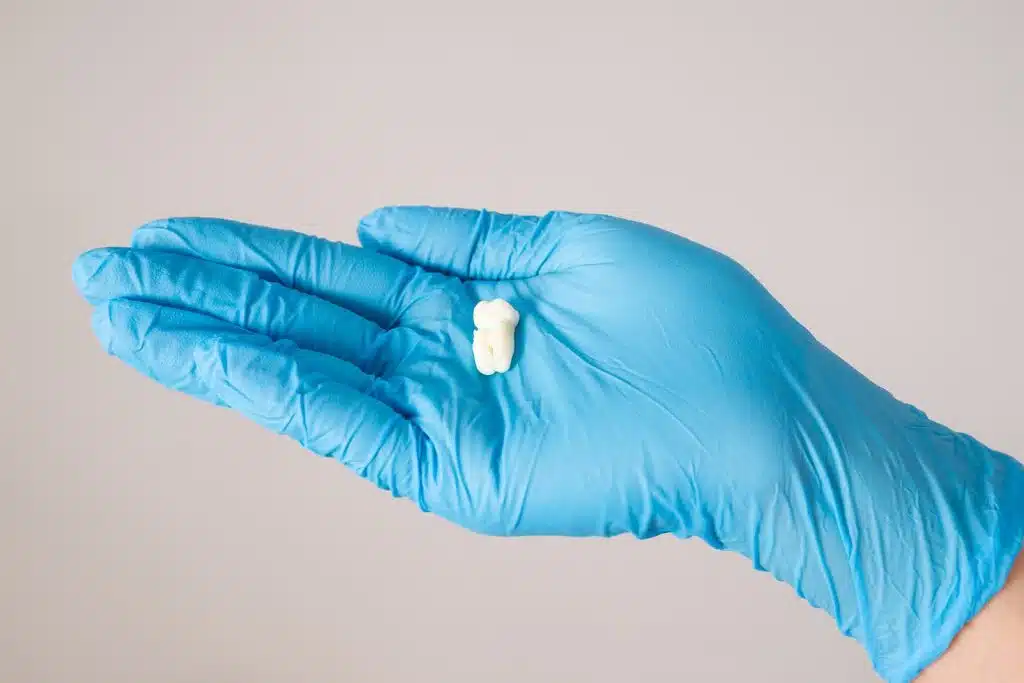
Wisdom tooth removal is one of the most common oral surgery procedures performed today, yet many patients still feel unsure about what the process involves. At Wisdom Tooth Central, patient education and comfort are central to everything we do. Understanding each stage of the journey, from consultation to full recovery, can make the experience far less intimidating and much more manageable.
This guide walks you through the complete patient experience of modern wisdom tooth removal so you know what to expect, how to prepare, and how to recover with confidence.
Understanding Wisdom Teeth and Why Removal Is Recommended
Wisdom teeth are the third molars that usually emerge between the ages of 17 and 25. While some patients have enough room for these teeth to come in properly, many do not. When wisdom teeth lack adequate space, they may become impacted, partially erupted, or misaligned.
Common reasons a wisdom tooth removal is recommended:
- Pain or pressure in the jaw
- Infection or inflammation of the gums
- Damage to nearby teeth
- Crowding that affects orthodontic alignment
- Difficulty keeping the area clean
- Development of cysts or other complications
Even when wisdom teeth are not currently causing pain, removal may be advised to prevent future problems. Early removal often leads to faster healing and fewer complications.
Step 1: The Initial Consultation
The patient journey begins with a comprehensive consultation at Wisdom Tooth Central. This visit allows the oral surgery team to evaluate your needs and design a personalized treatment plan.
What Happens During the Consultation
Review of Medical and Dental History
Your provider will discuss your overall health, medications, and any existing dental concerns that could impact your procedure.
Diagnostic Imaging
Digital X-rays are taken to assess the position of your wisdom teeth and determine whether they are impacted or at risk of causing problems.
Treatment Planning
Based on your imaging and symptoms, your oral surgeon will recommend whether removal is necessary and explain the complexity of the procedure.
Sedation and Anesthesia Options
Anesthesia options are discussed to ensure your comfort, ranging from local anesthesia to IV sedation.
Insurance and Financial Planning
Wisdom Tooth Central assists with insurance coordination and offers flexible payment options to make treatment accessible.
This appointment is also the ideal time to ask questions and address any concerns you may have about wisdom tooth removal.
Step 2: Preparing for Wisdom Tooth Removal
Preparation plays an important role in ensuring a smooth procedure and recovery. Before your surgery, you will receive detailed pre-operative instructions.
Common preparation steps include:
- Avoiding food and drinks for a specified time before surgery if sedation is planned
- Adjusting medications as directed
- Arranging transportation home after your procedure
- Preparing soft foods and recovery supplies at home
Following these instructions carefully helps reduce complications and supports faster healing.
Step 3: What Happens on the Day of Surgery
On the day of your wisdom tooth removal, the team at Wisdom Tooth Central will ensure you are comfortable and well-informed throughout the process.
During the Procedure
- Anesthesia is administered to ensure comfort
- The oral surgeon accesses the tooth, making a small incision if necessary
- Impacted teeth may be removed in sections for safety and precision
- The area is cleaned, and stitches may be placed
- Gauze is applied to control bleeding and promote clot formation
Most wisdom tooth removal procedures are completed in under an hour, depending on the number of teeth and level of impaction.
Step 4: Recovery and Healing
Recovery begins immediately after surgery. While every patient heals differently, understanding what to expect can help you feel prepared.
The First 24 Hours
- Rest is essential
- Mild bleeding and swelling are normal
- Ice packs help reduce swelling
- Gauze should be changed as directed
Days 1–3
- Swelling and discomfort may peak
- Pain is typically managed with prescribed or over-the-counter medications
- Soft foods should be continued
Days 4–7
- Swelling gradually decreases
- Stitches may dissolve or be removed if necessary
- Normal daily activities can usually be resumed
Full Recovery
Most patients experience significant healing within one to two weeks. Complete tissue healing continues over time but typically does not interfere with normal daily activities.
Tips for a Smooth Recovery After Wisdom Tooth Removal
Following post-operative instructions closely is key to avoiding complications such as dry socket or infection.
Diet Guidelines
- Eat soft foods such as yogurt, mashed potatoes, soup, and smoothies
- Avoid hard, crunchy, or spicy foods during early healing
Activities to Avoid
- Drinking through straws
- Smoking or vaping
- Alcohol consumption
- Strenuous physical activity for several days
Oral Hygiene
- Gently brush your teeth, avoiding the surgical area at first
- Begin gentle saltwater rinses after 24 hours, as instructed
When to Contact Wisdom Tooth Central in Santa Rosa
While most recoveries are uneventful, contact your oral surgeon if you experience:
- Severe or worsening pain
- Excessive bleeding
- Fever or signs of infection
- Persistent numbness
- Swelling that increases after the third day
Prompt communication ensures potential issues are addressed early
Frequently Asked Questions About Wisdom Tooth Removal
How long does recovery take after wisdom tooth removal?
Most patients recover within one to two weeks. Many return to work or school within a few days, depending on comfort and healing.
Is wisdom tooth removal painful?
The procedure itself is not painful due to anesthesia. Some discomfort afterward is normal and manageable with proper care and medication.
What foods can I eat after wisdom tooth removal?
Soft foods such as applesauce, yogurt, smoothies, scrambled eggs, and soups are recommended during the initial recovery period.
Can all wisdom teeth be removed at once?
Yes. In most cases, all problematic wisdom teeth are removed during a single appointment to minimize recovery time.
Will I need stitches after my procedure?
Stitches are sometimes used and are often dissolvable. Your surgeon will let you know what to expect based on your case.
Let Our Specialists Guide You Through Wisdom Tooth Removal
Wisdom tooth removal is a routine and highly effective procedure that can protect your long-term oral health. From your initial consultation to complete recovery, Wisdom Tooth Central in Santa Rosa is committed to providing expert care, clear communication, and a comfortable patient experience.
If you are considering wisdom tooth removal or have been experiencing symptoms related to your wisdom teeth, scheduling a consultation is the first step toward relief and peace of mind. Contact us today for more details.