

How Long Does Wisdom Tooth Pain Last? What to Expect


Wisdom tooth pain can feel intense, unpredictable, and even alarming, especially if it’s your first time dealing with it. If you’re wondering how long does wisdom tooth pain lasts, the answer depends on what’s causing the pain, whether the tooth has been removed, and how your body heals.
At Wisdom Tooth Central, patients often ask this exact question. The good news is that while discomfort is common, it usually follows a predictable timeline. Understanding what to expect can help you manage symptoms, reduce anxiety, and know when to seek professional care.
Understanding Wisdom Tooth Pain
Wisdom teeth, also known as third molars, typically emerge between the ages of 17 and 25. Sometimes, they come in without problems. However, many people do not have enough space in their mouths, which can lead to complications.
Common issues include impacted teeth trapped under the gums, partial eruption where only part of the tooth emerges, infection or inflammation, and pressure on nearby teeth. These conditions can cause pain that may be constant or come and go over time.
So, How Long Does Wisdom Tooth Pain Last?
The timeline for wisdom tooth pain depends on the situation.
Pain from Erupting Wisdom Teeth
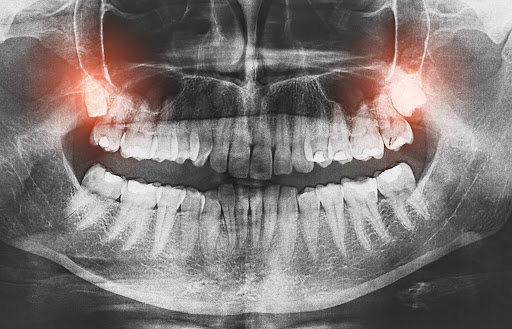
If your wisdom teeth are growing in naturally, pain may come and go over several weeks or even months. It often feels like a dull pressure or aching sensation at the back of the jaw. You might notice flare-ups when chewing or when the gums become irritated.
This type of discomfort may improve once the tooth fully erupts. In some cases, symptoms worsen if complications develop.
Pain Before Removal (Impacted or Infected Teeth)
When wisdom teeth are impacted or infected, the pain tends to last longer and feel more intense. It can persist for days or weeks and may gradually worsen. Some people also experience pain that spreads to the jaw, ear, or head.
In these situations, the pain usually does not go away on its own. Professional treatment is often needed to resolve the issue.
Professional treatment is often needed to resolve the issue. To better understand when action is necessary, read our complete guide on whether wisdom teeth need to be removed if they don’t hurt.
Pain After Wisdom Tooth Removal
After extraction, pain follows a fairly consistent healing pattern. During the first 24 hours, mild to moderate discomfort, swelling, and slight bleeding are normal. By the second or third day, pain often reaches its peak.
After this period, symptoms typically begin to improve. By days three to seven, most patients notice a steady reduction in discomfort. Within one to two weeks, healing is usually well underway, and symptoms are minimal.
For most people, post-surgery pain lasts about three to seven days, with continued improvement afterward.
For most people, post-surgery pain lasts about three to seven days, with continued improvement afterward. To better understand the healing timeline and what’s normal, read our complete guide on wisdom teeth removal recovery.
What Does Wisdom Tooth Pain Feel Like?
Wisdom tooth pain can present in different ways depending on the cause. Many people describe a throbbing sensation at the back of the mouth. Others feel jaw stiffness or soreness that makes it harder to open their mouth fully.
Swelling in the gums or cheeks is also common. Pain may radiate toward the ear or temple. After surgery, some patients notice mild bruising, a strange taste, or temporary numbness. These are normal parts of the healing process.
When Is Wisdom Tooth Pain the Worst?
For most patients recovering from extraction, discomfort is strongest around the second or third day after the procedure. This happens because inflammation peaks during this stage of healing.
Although this phase can be uncomfortable, it is temporary. Pain should gradually decrease after this point.
Factors That Affect How Long Pain Lasts
Several factors can influence how long wisdom tooth pain lasts and how intense it feels.
The position of the tooth plays a major role. Impacted teeth, especially those under the gums or bone, usually cause more discomfort and take longer to heal. Age is another factor, as younger patients tend to recover more quickly.
The number of teeth removed also matters. Removing multiple wisdom teeth at once can increase discomfort in the early stages of healing. Complications such as infection or delayed healing can extend the duration of pain.
What Is Dry Socket and How Does It Affect Pain?
Dry socket is one of the most common complications after wisdom tooth removal. It occurs when the blood clot that forms in the extraction site becomes dislodged or dissolves too early.
This leaves the bone and nerves exposed, which can cause significant pain. Symptoms often begin a few days after surgery and include a throbbing sensation that may spread to the ear or jaw. Some patients also notice a bad taste or odor in the mouth.
Unlike normal healing pain, dry socket discomfort tends to worsen instead of improving. If this happens, it is important to contact a dental professional as soon as possible.
Tips to Reduce Wisdom Tooth Pain Faster
At Wisdom Tooth Central, patients are guided through proper aftercare to support a smoother recovery. Following instructions carefully is one of the most important steps.
Using a cold compress during the first one to two days can help reduce swelling and ease discomfort. Taking prescribed or recommended medications as directed also helps manage pain effectively.
Eating soft foods and avoiding anything too hot, crunchy, or spicy can prevent irritation. Keeping your mouth clean is important, but it should be done gently to avoid disturbing the healing area. Avoiding habits such as smoking or using straws can also reduce the risk of complications.
When Should You Be Concerned?
While some discomfort is expected, certain symptoms may indicate a problem. If your pain becomes more severe instead of improving, it may be a sign that something is wrong.
Other warning signs include excessive swelling, ongoing bleeding, fever, or discharge from the area. Persistent numbness or a foul taste in the mouth should also be evaluated.
If you notice any of these symptoms, it is best to seek professional care promptly.
How Wisdom Tooth Central Can Help
Wisdom Tooth Central focuses on making wisdom tooth care as comfortable and efficient as possible. Their approach includes advanced diagnostic tools, personalized treatment plans, and gentle surgical techniques.
Patients also receive clear aftercare instructions so they know how to manage recovery at home. Whether you are dealing with ongoing pain or planning for extraction, their team provides guidance at every step.
Final Thoughts
So, how long does wisdom tooth pain last?
Pain from erupting teeth may last for weeks or months and often comes and goes. Pain from impacted or infected teeth can persist for days or weeks and usually requires treatment. After removal, most discomfort lasts between three and seven days, with full healing taking up to two weeks.
While some pain is normal, it should gradually improve over time. If your symptoms feel severe or unusual, it is always best to consult a dental professional.
With proper care and support from Wisdom Tooth Central, recovery can be smooth and manageable.
Take the Next Step Toward Relief
If you’re currently dealing with discomfort and still wondering how long does wisdom tooth pain lasts, you don’t have to manage it alone. The longer pain is left untreated, the more likely it is to worsen or lead to complications.
Wisdom Tooth Central is here to help you find fast, effective relief with expert care tailored to your needs. Whether you need an evaluation, treatment, or guidance on recovery, their team is ready to support you.
Don’t wait for the pain to get worse. Schedule your consultation with Wisdom Tooth Central today and take the first step toward lasting comfort and a healthier smile.
FAQs
1. How long does wisdom tooth pain last without removal?
It can last for weeks or even months, especially if the tooth is impacted or infected. The pain may come and go, but it often does not fully resolve without treatment.
2. Is it normal for pain to last a week after extraction?
Yes, mild discomfort lasting up to a week is common. Most patients feel noticeable improvement after the first few days.
3. Why is my pain worse a few days after surgery?
Pain often peaks around the second or third day due to inflammation. This is a normal part of the healing process.
4. How do I know if I have a dry socket?
Signs include worsening pain a few days after extraction, along with a bad taste or odor and pain that spreads to the ear or jaw.
5. When should I see a dentist for wisdom tooth pain?
You should seek care if your pain is severe, lasts longer than expected, or is accompanied by swelling, fever, or discharge.