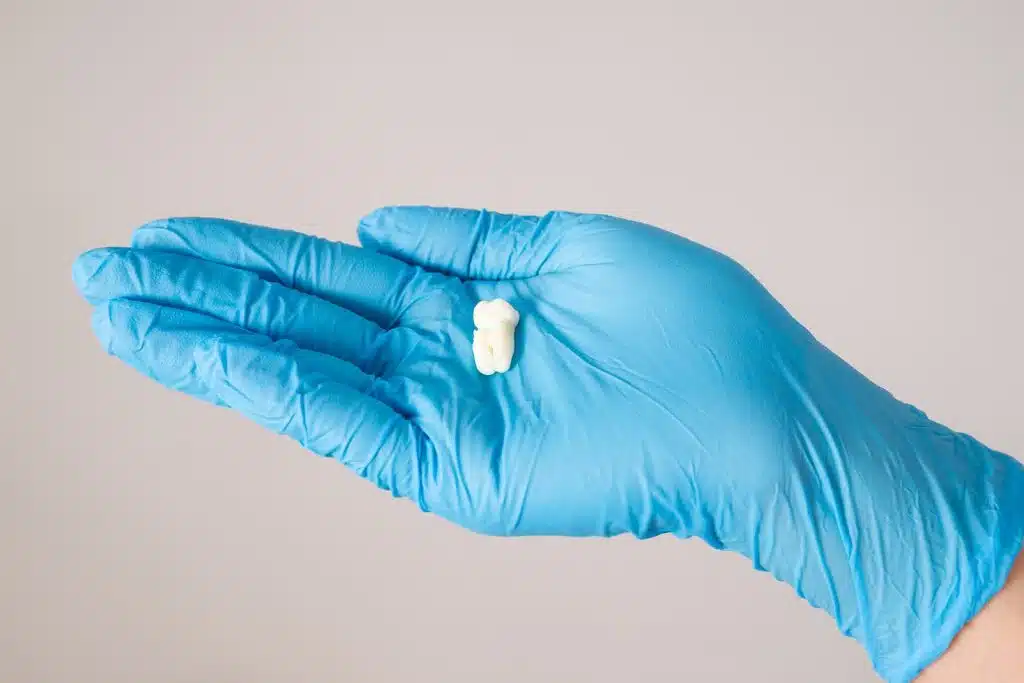

Dry Socket After Wisdom Tooth Removal: Prevention, Symptoms & Treatment

By Dr. James Lelis, DDS, MD and Dr. Adam Wandell, DDS, MD
Dry socket is a painful complication that can happen after wisdom tooth removal when the protective blood clot in the extraction site breaks down, becomes dislodged, or does not form properly. Common signs include severe pain a few days after surgery, pain that spreads toward the ear or temple, bad breath, a bad taste, or an empty-looking socket.
At Wisdom Tooth Central, our team gives patients clear aftercare instructions before they leave our office, including how to lower the risk of dry socket and when to call if something does not feel right.
What Is a Dry Socket?
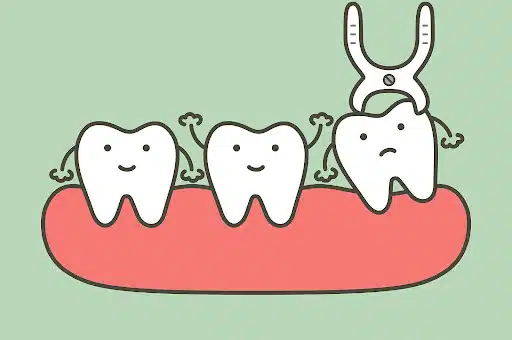
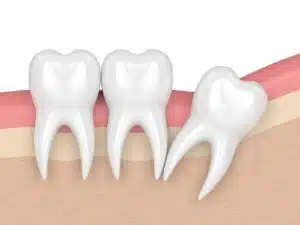
After a wisdom tooth is removed, a blood clot normally forms inside the socket. That clot protects the bone and nerves underneath while the gum tissue begins to heal.
Dry socket happens when that clot is lost too early or does not protect the socket the way it should. Without the clot, the bone and nerve endings inside the socket can become exposed. That is why dry socket often feels more intense than normal post-surgery soreness.
Some tenderness, swelling, and mild bleeding can be normal during early wisdom tooth recovery. Dry socket is different because the pain often gets worse after the first couple of days instead of gradually improving.
Dry Socket Symptoms to Watch For
The most common warning sign is severe pain within a few days after the tooth is removed. This pain may feel sharp, throbbing, or deep, and it may spread beyond the extraction site.
Call our office if you notice:
- Pain that becomes worse after the first two or three days
- Pain that spreads toward your ear, jaw, temple, or neck
- A socket that looks empty
- Bad breath that does not improve with gentle cleaning
- A bad or unpleasant taste in your mouth
- Pain that does not improve with the medication instructions you were given
It is important not to guess. If your pain feels stronger than expected or suddenly changes, our team can check the area and tell you what is happening.
Normal Healing vs. Dry Socket
Not every ache after wisdom tooth removal means you have a dry socket. The first few days can include soreness, swelling, jaw stiffness, and mild bleeding.
A simple way to think about it:
| What You Feel | May Be Normal? | When to Call |
| Mild soreness after surgery | Yes | If it keeps getting worse |
| Swelling during days 2–4 | Often | If swelling becomes severe or unusual |
| Slight bleeding early on | Often | If bleeding does not slow down |
| Pain that improves day by day | Yes | Keep following instructions |
| Severe pain a few days later | No | Call our office |
| Bad taste or bad breath with strong pain | Not usually | Call our office |
| Empty-looking socket | No | Call our office |
Dry socket pain tends to be persistent, sharp, throbbing, or radiating. Normal healing pain usually becomes easier to manage over time.
What Causes Dry Socket?
Dry sockets can happen for several reasons. Sometimes the clot does not form well. Other times, the clot forms but gets disturbed too early.
Common risk factors include:
- Drinking through a straw too soon
- Smoking or vaping during recovery
- Spitting forcefully
- Rinsing too aggressively
- Eating crunchy or hard foods too early
- Touching the area with fingers or the tongue
- Poor oral hygiene
- A difficult or surgical extraction
- A history of dry socket
This is one reason aftercare matters so much. The surgery itself is only one part of the process. The first few days of healing also play a major role in how comfortable recovery feels.
How to Prevent Dry Socket After Wisdom Tooth Removal
Dry socket is not always completely preventable, but the right aftercare can lower your risk. Our team will give you specific instructions based on your procedure, sedation plan, and health history.
In general, prevention starts with protecting the clot.
Do not use straws.
Suction can pull on the clot and disturb the socket.
Do not smoke or vape.
Tobacco and nicotine can interfere with healing and increase dry socket risk.
Avoid forceful spitting.
Let saliva fall gently from your mouth if needed, especially early in recovery.
Rinse gently when instructed.
Do not swish aggressively. Gentle rinsing helps keep the area clean without disturbing healing.
Choose soft foods.
Stick with foods like yogurt, applesauce, mashed potatoes, scrambled eggs, smoothies without a straw, and soft pasta during early recovery.
Avoid crunchy foods.
Popcorn, chips, nuts, seeds, and crusty bread can irritate the area or get trapped near the socket.
Rest during early healing.
Strenuous activity can increase bleeding or discomfort during the first part of recovery.
If you are having wisdom teeth removal in Santa Rosa, our team will walk you through these instructions before you go home.
How Dry Socket Is Treated
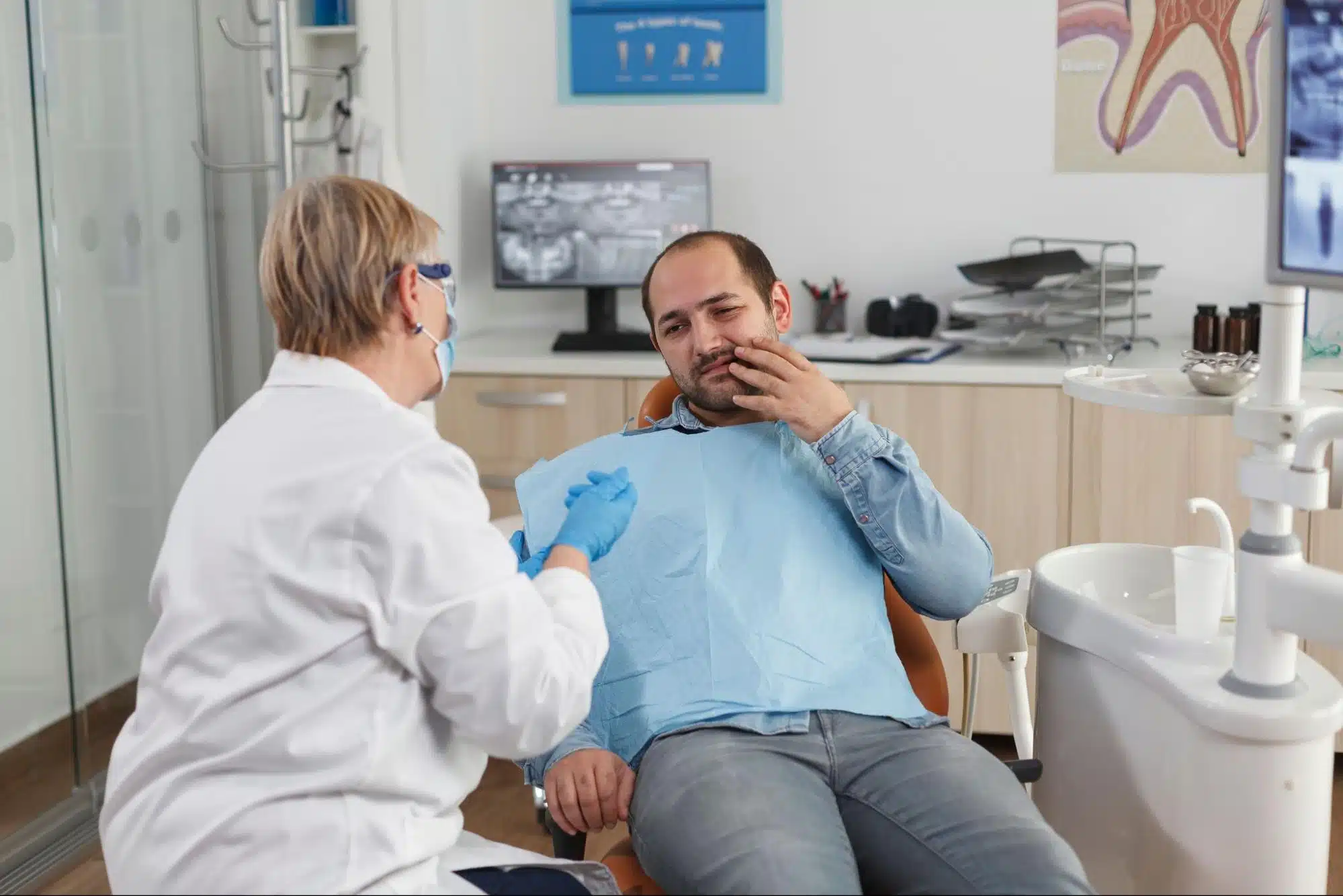
Dry socket treatment is meant to reduce pain, protect the area, and support healing. It does not usually mean the surgery failed. It means the socket needs care while the body continues healing.
Treatment may include:
- Checking the socket
- Gently cleaning the area
- Removing trapped food or debris
- Placing a medicated dressing
- Reviewing pain control instructions
- Giving home-care instructions
- Scheduling a follow-up if needed
Do not try to pack the socket yourself or treat dry socket at home without professional guidance. If the area needs dressing or cleaning, it should be handled carefully.
When Should You Call Our Office?
Call our office if pain becomes severe, spreads, returns after improving, or feels different from what you were told to expect. You should also call if you notice a bad taste, bad odor, visible bone, or an empty-looking socket.
The earlier we evaluate the area, the easier it is to help you feel more comfortable. Dry socket can be painful, but treatment can often bring meaningful relief.
If you are unsure whether your symptoms are normal, it is better to ask. We would rather check on you early than have you sit at home worrying through worsening pain.
Current Patients can call us on (707) 203-2693 and New Patients can call us via (707) 513-4874.
How PRF Therapy May Help Lower Dry Socket Risk
At Wisdom Tooth Central, our practice uses Platelet-Rich Fibrin therapy, also called PRF, as part of our recovery-focused approach. PRF is made from a small sample of your own blood and placed into the surgical site to support the body’s natural healing response.
PRF may help support tissue healing, reduce post-operative discomfort, and lower the risk of dry socket after wisdom tooth removal.
PRF does not replace home care. You still need to avoid straws, avoid smoking or vaping, follow soft-food instructions, keep the area clean as directed, and call us if symptoms feel unusual. But it can be one helpful part of a more comfortable recovery plan.
Wisdom Tooth Care and Dry Socket Support in Santa Rosa
Our office is located at 1791 Marlow Road, Suite #9, Santa Rosa, CA 95401. The location is on Marlow Road in northwest Santa Rosa, with practical access for patients coming from central Santa Rosa, Coffey Park, Guerneville Road, Piner Road, College Avenue, and nearby Sonoma County communities.
Our practice focuses on wisdom tooth removal, including routine and complex impacted wisdom teeth. We also offer sedation dentistry in Santa Rosa for patients who want a more comfortable surgical experience.
Dr. James Lelis, DDS, MD and Dr. Adam Wandell, DDS, MD are Santa Rosa oral surgeons who plan wisdom tooth removal with safety, comfort, and recovery in mind. If you are worried about dry socket symptoms and treatment after surgery, our team can evaluate your healing and explain the next step.
Final Takeaway: Do Not Ignore Worsening Pain
Dry socket symptoms and treatment are important to understand because the condition can feel very different from normal healing. Mild soreness should gradually improve. Dry socket pain often becomes stronger a few days after surgery and may spread toward the ear, temple, jaw, or neck.
The best way to lower your risk is to follow your aftercare instructions closely: avoid straws, avoid smoking or vaping, eat soft foods, rinse gently when instructed, and keep your follow-up guidance in mind.
If you are planning surgery or have symptoms that concern you after treatment, schedule your consultation or contact our Santa Rosa team for guidance.
Frequently Asked Questions
What are the first signs of dry socket?
The first sign is often severe pain that starts or gets worse a few days after wisdom tooth removal. The pain may spread toward the ear, temple, jaw, or neck. Some patients also notice bad breath, a bad taste, or an empty-looking socket.
How is dry socket treated?
Dry socket is usually treated by checking the socket, gently cleaning the area, and placing a medicated dressing if needed. Your oral surgeon may also review pain control and home-care instructions.
Can a dry socket heal on its own?
The socket can heal over time, but dry socket can be very painful without treatment. Professional care can help reduce discomfort, keep the area cleaner, and support healing while your body repairs the socket.
How long does dry socket pain last?
Dry socket pain varies by patient. With proper care, many patients feel relief after the socket is cleaned and dressed. If pain continues, worsens, or returns, call our office so we can recheck the area.
How can I avoid dry socket after wisdom tooth removal?
Avoid straws, smoking, vaping, forceful spitting, aggressive rinsing, crunchy foods, and strenuous activity during early recovery. Follow your oral surgeon’s instructions closely, eat soft foods, and call the office if your pain feels worse than expected.