

What to Eat After Wisdom Tooth Removal: Full Recovery Diet


By Dr. James Lelis, DDS, MD and Dr. Adam Wandell, DDS, MD
After wisdom tooth removal, the best foods are soft, smooth, mild, and easy to swallow. Good options include yogurt, applesauce, mashed potatoes, pudding, smoothies without a straw, scrambled eggs, blended soups, oatmeal, soft pasta, and mashed vegetables. Avoid crunchy, spicy, sticky, seeded, hard, or very hot foods while your mouth is healing.
At Wisdom Tooth Central, our practice is focused on wisdom tooth removal and recovery support in Santa Rosa. That means our aftercare guidance is not just about getting through the procedure. It is about helping you heal comfortably, protect the extraction sites, and avoid problems that can slow recovery.
Why Your Diet Matters After Wisdom Tooth Removal
What you eat after surgery can affect comfort, swelling, healing, and your risk of complications. After a wisdom tooth is removed, a blood clot forms in the socket. That clot helps protect the bone and tissue underneath while the area begins to heal.
The goal of a recovery diet is simple: eat foods that give your body enough nutrition without disturbing the healing sites.
That is what to eat after wisdom tooth removal matters. We usually recommend soft foods at first. Soft foods are easier to chew, easier to swallow, and less likely to break into sharp pieces or get stuck near the sockets. Patients should also avoid straws during early recovery because suction can disturb the clot and increase the risk of dry socket.
What to Eat the First Day After Wisdom Tooth Removal
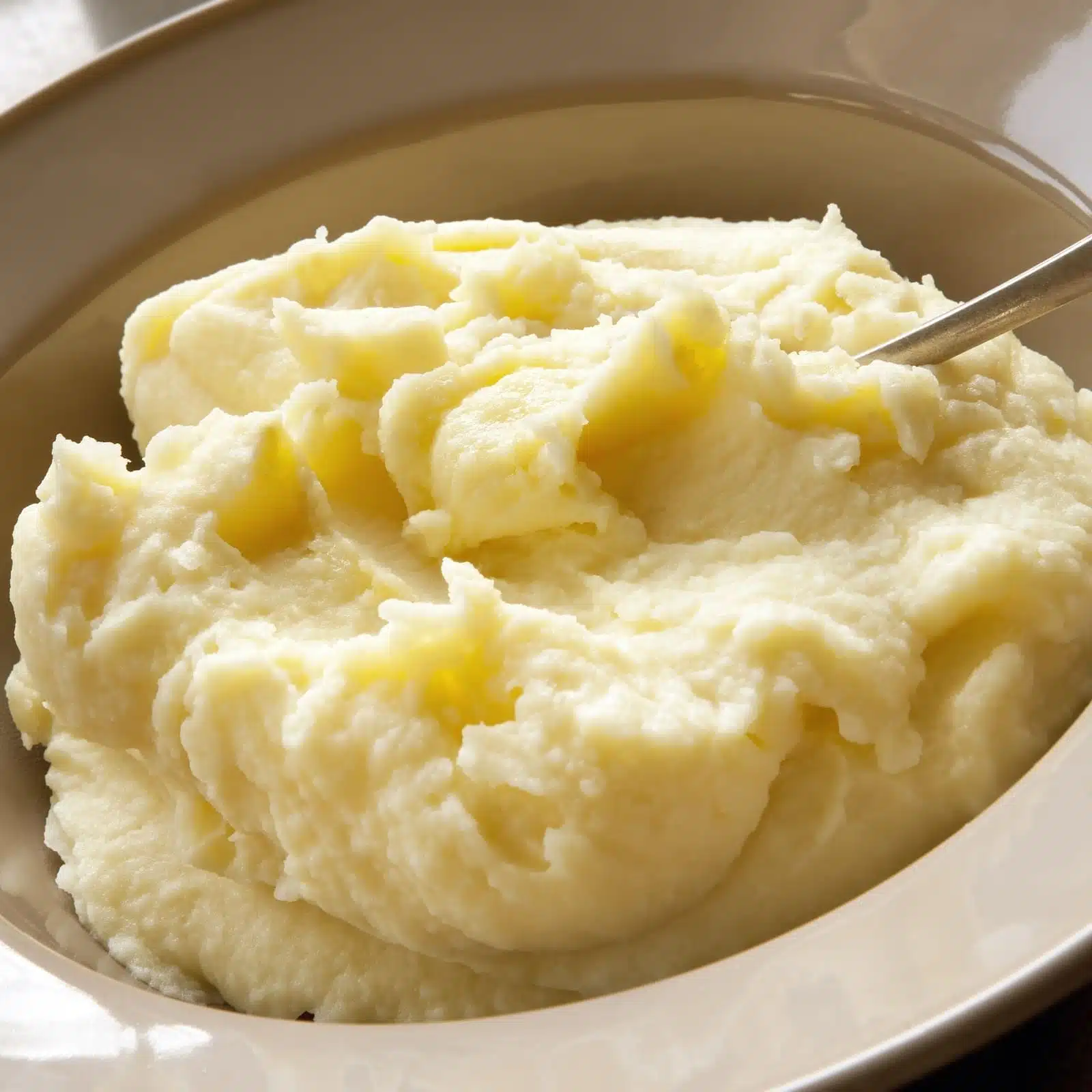
During the first 24 hours, focus on foods that require little or no chewing. You may still feel numb, tired, or groggy, especially if your procedure involved IV sedation or another anesthesia option. Our team will give you specific instructions before you leave our office, but it helps to prepare soft foods at home before surgery day.
Good first-day foods include:
- Greek yogurt
- Applesauce
- Pudding
- Mashed potatoes
- Smoothies eaten with a spoon
- Protein shakes without a straw
- Cottage cheese
- Ice cream without nuts or hard mix-ins
- Lukewarm broth or blended soup
Keep foods cool or room temperature at first. Very hot foods and drinks can irritate the surgical areas and may make early bleeding more likely.
If you are having wisdom teeth removal in Santa Rosa, planning your meals ahead of time can make the first day much easier. You will not want to cook, chew heavily, or make decisions about food right after surgery.
What to Eat on Days 2–3
By the second or third day, many patients are ready for slightly more filling foods. The key is to keep the texture soft and avoid anything that requires forceful chewing.
Good options include:
- Scrambled eggs
- Oatmeal
- Mashed sweet potatoes
- Avocado
- Soft pasta
- Hummus
- Refried beans
- Blended vegetable soup
- Soft pancakes
- Well-cooked, mashed vegetables
Try to chew away from the extraction sites if possible. Take small bites and eat slowly. If a food causes pressure, soreness, or discomfort near the back of the mouth, pause and return to softer options for another day or two.
This is especially important if your wisdom teeth were impacted. Impacted wisdom teeth may require a more involved removal, so recovery can feel different from a simple extraction.
What to Eat After the First Few Days
After the first few days, you can slowly add more texture as your comfort improves. Many patients begin returning to more normal eating habits around the end of the first week, but recovery is not the same for everyone. The number of teeth removed, whether they were impacted, your age, your swelling, and your overall healing response all matter.
Foods that may work after the first few days include:
- Soft fish
- Soft rice alternatives like overcooked pasta or noodles
- Tender cooked vegetables
- Soft bread without crusty edges
- Macaroni and cheese
- Soft chicken cut into tiny pieces
- Soft casseroles
- Ripe bananas
Do not rush back into hard or crunchy meals just because you feel better. The gum tissue may still be healing even when soreness has started to improve.
Foods to Avoid After Wisdom Tooth Removal
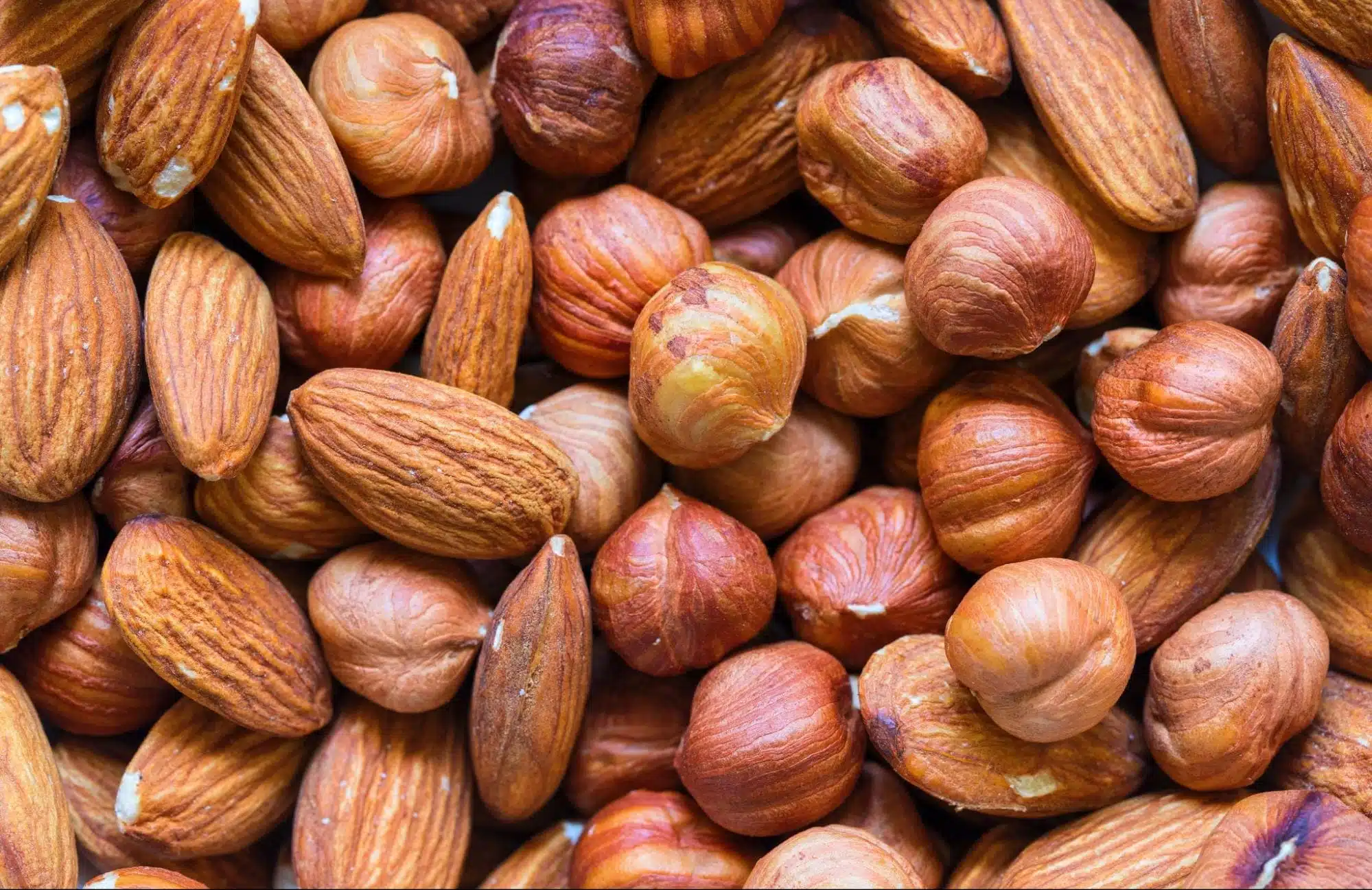
Some foods can irritate the surgical sites, get trapped in the sockets, or disturb the clot. Avoid these until our doctors or clinical team tell you it is safe to return to them.
Foods to avoid include:
- Chips
- Popcorn
- Nuts
- Seeds
- Granola
- Rice
- Crunchy vegetables
- Hard bread or toast
- Spicy foods
- Sticky candy
- Carbonated drinks if advised
- Alcohol
- Very hot soups, coffee, or tea
Small foods like rice, seeds, and popcorn can be especially frustrating because they can lodge near the healing areas. Crunchy foods can also break into sharp pieces that irritate the gums.
If you are unsure about a specific food, choose the softer option. Recovery is temporary, and a cautious diet can help you avoid unnecessary discomfort.
Can You Drink Smoothies After Wisdom Tooth Removal?
Yes, smoothies can be a good option after wisdom tooth removal, but do not use a straw. Sip from a cup or eat the smoothie with a spoon.
Smoothies are helpful because they can provide calories, fluids, protein, and vitamins when chewing is difficult. Choose smooth blends without seeds, nuts, or crunchy add-ins. A simple smoothie with banana, yogurt, protein powder, and milk or a dairy-free alternative can be easier on your mouth than a thick, seedy fruit blend.
The no-straw rule matters. Suction from a straw can pull at the healing clot and increase the risk of dry socket. This is one of the most important eating and drinking rules after wisdom tooth surgery.
How to Make Eating Easier During Recovery
A little preparation can make recovery smoother. Before your appointment, stock your kitchen with foods you can eat without chewing much. It also helps to prepare meals in single-serving portions so you do not have to cook while resting.
Here are a few practical tips:
- Drink water throughout the day, but sip from a cup.
- Eat small meals instead of forcing large meals.
- Avoid chewing near the surgical sites.
- Let soups and warm foods cool before eating.
- Keep protein in your diet with yogurt, eggs, shakes, or soft fish.
- Follow our written aftercare instructions closely.
If you receive sedation dentistry in Santa Rosa, you will need a responsible adult to drive you home and stay with you after the procedure. Having soft foods ready before surgery helps you rest instead of worrying about what to eat.
How PRF Therapy May Support Wisdom Tooth Recovery
At Wisdom Tooth Central, we use recovery-focused techniques because healing matters just as much as the surgery itself. Our practice standardizes Platelet-Rich Fibrin therapy, also called PRF, to support the body’s natural healing response after wisdom tooth removal. The practice describes PRF as a platelet-based approach used to reduce post-operative discomfort, lower dry socket risk, and support gum tissue regeneration.
PRF does not replace good home care. You still need to follow your diet instructions, avoid straws, avoid smoking, keep the area clean as directed, and call our office if anything feels unusual. But for many patients, PRF therapy for wisdom tooth recovery can be part of a more comfortable healing plan.
Wisdom Tooth Recovery Support in Santa Rosa

Our office is located at 1791 Marlow Road, Suite #9, Santa Rosa, CA. We see patients from Santa Rosa and nearby Sonoma County communities who need wisdom tooth evaluations, impacted wisdom tooth care, sedation options, and post-surgery recovery guidance.
Our location on Marlow Road is convenient for patients coming from central Santa Rosa, Coffey Park, Guerneville Road, Piner Road, College Avenue, and nearby neighborhoods. Since you may not be able to drive after sedation, we recommend arranging your ride ahead of time and preparing your recovery foods before your appointment.
Wisdom Tooth Central is led by Santa Rosa oral surgeons Dr. James Lelis, DDS, MD and Dr. Adam Wandell, DDS, MD. Our practice focuses on wisdom tooth removal, surgical safety, sedation-supported comfort, and recovery planning, so patients know what to expect before, during, and after treatment. Current Patients can call us on (707) 203-2693 and for New Patients (707) 513-4874.
Final Takeaway: Keep It Soft, Simple, and Gentle
Knowing what to eat after wisdom tooth removal can make recovery much easier. Start with smooth, soft foods like yogurt, applesauce, mashed potatoes, pudding, and smoothies without a straw. Then gradually add foods like eggs, oatmeal, soft pasta, mashed vegetables, and tender proteins as your mouth feels ready.
The safest rule is to avoid anything hard, crunchy, sticky, spicy, seeded, or very hot until your mouth has had time to heal. If a food feels uncomfortable, stop and return to softer options.
At Wisdom Tooth Central, our team will give you clear aftercare instructions based on your procedure, your sedation plan, and your recovery needs. If you are preparing for wisdom tooth removal or have questions about healing, schedule your consultation with our Santa Rosa team.
Frequently Asked Questions
What can I eat immediately after wisdom tooth removal?
What to eat after wisdom tooth removal should include soft, cool, easy-to-swallow foods such as yogurt, applesauce, pudding, smoothies without a straw, mashed potatoes, and cottage cheese. Avoid hot foods, crunchy foods, spicy foods, and anything that requires heavy chewing.
When can I eat normal food after wisdom tooth removal?
Many patients slowly return to more normal foods after several days, but it depends on swelling, soreness, and how complex the extraction was. Start with soft foods, then add more texture only when chewing feels comfortable and your oral surgeon says it is safe.
Can I drink coffee after wisdom tooth removal?
It is usually best to avoid hot coffee right after surgery. Heat can irritate the surgical sites, and some patients may be advised to avoid certain drinks during early healing. Ask our team when warm drinks are safe for your specific recovery.
Can I eat rice after wisdom tooth removal?
Rice is better avoided early in recovery because small grains can get trapped near the extraction sites. Choose smoother foods like mashed potatoes, blended soup, oatmeal, or soft pasta instead.
What foods help wisdom tooth recovery?
Soft foods with protein, fluids, and nutrients can support recovery. Good options include Greek yogurt, scrambled eggs, protein shakes without a straw, blended soups, mashed vegetables, oatmeal, avocado, cottage cheese, and soft fish when chewing becomes comfortable.