
Do Wisdom Teeth Need to Be Removed If They Don’t Hurt? — A Surgeon’s Answer

When it comes to wisdom teeth, one of the most common questions we hear at Wisdom Tooth Central is: “Do wisdom teeth need to be removed if they don’t hurt?” It’s a great question, especially since wisdom teeth often don’t cause noticeable pain until significant problems have already begun. In this comprehensive guide, we’ll walk you through what wisdom teeth are, why they might need to be removed even if they’re not currently causing discomfort, and what experts recommend for long-term oral health.

According to the surgical team at Wisdom Tooth Central, including Dr. James Lelis and Dr. Adam Wandell, the absence of pain does not automatically mean your wisdom teeth are healthy or risk-free. Many of the issues associated with wisdom teeth develop quietly beneath the surface, only becoming painful once the condition has progressed.

As oral and maxillofacial surgeons, Dr. Lelis and Dr. Wandell emphasize that recommendations are based on clinical findings, not just symptoms. If imaging shows impaction, poor positioning, risk to adjacent teeth, or early signs of infection or bone changes, preventive removal may be the safest long-term option—even if you feel completely fine.

That said, not all wisdom teeth need to be removed. If they are fully erupted, properly aligned, easy to maintain, and show no signs of disease on X-rays, some patients may be good candidates for ongoing monitoring instead of immediate extraction. The key is regular evaluation, as conditions can change over time.

Ultimately, the decision comes down to balancing current findings with future risk. Dr. Lelis and Dr. Wandell note that early removal is typically easier and associated with smoother healing, while delayed treatment can lead to more complex procedures if problems develop later.

Understanding Wisdom Teeth

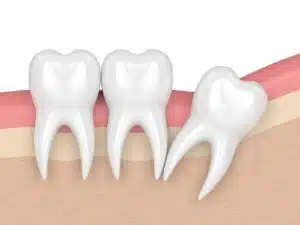
Wisdom teeth, also called third molars, are the last set of molars that typically emerge in late adolescence or early adulthood. Evolutionary changes in human jaw sizes mean many people simply don’t have enough room in their mouths to accommodate these additional teeth. As a result, they may grow at awkward angles, become impacted, or only partially erupt. Just because these teeth aren’t causing pain right now doesn’t mean they’re a problem‑free.
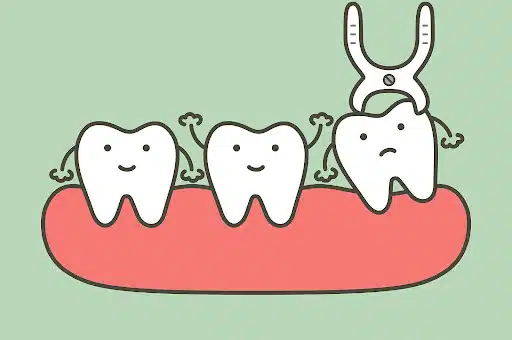
Diagram of a painless but problematic impacted wisdom tooth near adjacent molar

Why Non‑Painful Wisdom Teeth Can Still Be a Concern

Pain Isn’t Always a Reliable Indicator

Pain is a symptom, not the only marker of trouble. Wisdom teeth can cause slow, silent damage without triggering discomfort right away. They may press against adjacent teeth, irritate gums, or start underlying gum disease long before pain develops. Many patients are surprised to learn that even “painless” wisdom teeth can affect their oral health in significant ways.

Increased Risk of Infection and Gum Disease

Partially erupted wisdom teeth are harder to clean, and bacteria can easily get trapped in the gum flaps around these teeth. This can lead to chronic pericoronitis, a gum infection that may not be painful initially but can become serious if left untreated. Ignoring these silent infections can eventually result in swelling, difficulty opening the mouth, or more complex dental procedures down the line.

Damage to Adjacent Teeth

Wisdom teeth that grow too close to your second molars can push on them and damage their roots. The constant pressure may increase the risk of tooth decay due to trapped food and bacteria. Even without wisdom tooth pain, these subtle changes can compromise the alignment and health of your other teeth, sometimes leading to costly repairs.

Cysts and Jaw Damage

In some cases, fluid-filled sacs called cysts can form around impacted wisdom teeth. If untreated, these cysts may damage the jawbone, teeth, and nearby nerves. Rarely, tumors can also develop, which is why preventive evaluation is essential. Monitoring the growth and position of your wisdom teeth can help identify these issues before they become major problems.

What the Research and Dental Community Say

Dental experts do not universally agree on routine removal of symptom-free wisdom teeth, but many oral surgeons and dentists recommend early removal as a preventive measure, especially for younger patients. Early removal often carries a lower risk of complications and allows for easier healing, especially when teeth are extracted before their roots are fully formed. Additionally, taking preventive action reduces the chances of future infections, impactions, or decay.

However, if wisdom teeth are fully erupted, properly aligned, easy to clean, and show no signs of disease, some patients may safely monitor them instead of removing them immediately. Each case should be evaluated individually by a qualified dental professional.

How Your Surgeon Determines Whether Removal Is Necessary

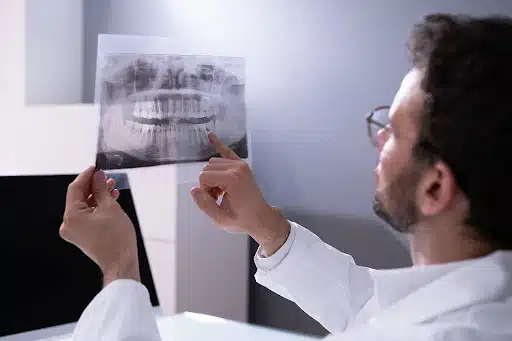
At Wisdom Tooth Central, every evaluation begins with a thorough dental exam and X-rays. This imaging allows your surgeon to determine the position of your wisdom teeth, check for impactions, evaluate risks to adjacent teeth, and assess overall oral health.

Additionally, your oral hygiene habits and current gum and tooth health are considered. Even teeth that aren’t causing pain can present challenges if they are difficult to clean or show early signs of bacterial buildup. Finally, surgeons consider the long-term implications for your oral health, such as potential crowding, bite issues, or gum disease, to decide whether preventive wisdom tooth removal is the best option.

Key Takeaways

  • No pain doesn’t mean no problem — wisdom teeth can cause hidden issues without noticeable symptoms.
  • Impacted or misaligned teeth may damage nearby teeth, gums, and bone over time.
  • Partially erupted wisdom teeth are harder to clean and increase the risk of infection and gum disease.
  • Cysts and jaw complications can develop silently around untreated wisdom teeth.
  • Early evaluation with X-rays helps detect problems before they become painful or complex.
  • Preventive removal is often easier and involves a smoother recovery when done at a younger age.
  • Not all wisdom teeth require removal — properly aligned, healthy teeth may be monitored instead.
  • Regular dental checkups are essential to track any changes in your wisdom teeth over time.
  • Delaying treatment can lead to more complex procedures if problems develop later.
  • A surgeon’s evaluation is the best way to determine your risk and the right course of action. 

Benefits of Early Evaluation and Treatment

Early evaluation offers several advantages. Patients gain peace of mind knowing their dental health is being carefully monitored. If removal is recommended, the procedure is often easier, with less recovery time and lower risk of complications. Early action also reduces the likelihood of infections, impactions, and other oral health issues that can arise later. For patients undergoing orthodontic treatment, removing problematic wisdom teeth early can help maintain the results of prior dental work.

At Wisdom Tooth Central, we specialize in wisdom tooth evaluation and surgical removal with a focus on predictable results, patient comfort, and a smooth healing experience.

Frequently Asked Questions (FAQ)

1. Do wisdom teeth ever need to be removed if they don’t hurt?

Yes. Even painless wisdom teeth can cause hidden problems like infection, gum disease, decay, or damage to neighboring teeth. Preventive removal may be recommended depending on your case.

2. How can you tell if wisdom teeth will cause problems later?

Dental X-rays and evaluations can show whether wisdom teeth are impacted, misaligned, or creating pressure on nearby teeth, all before symptoms start.

3. What if my wisdom teeth are fully erupted and seem fine?

If they are easy to clean, correctly positioned, and free of disease on X-rays, some patients may be candidates for monitoring rather than removal. Your surgeon will advise what’s best for you.

4. Is removing wisdom teeth painful?

Modern techniques and anesthesia make the procedure comfortable. Some swelling and mild discomfort afterward are normal, but most patients recover quickly, especially with platelet-rich healing therapies.

5. How soon should young adults get their wisdom teeth evaluated?

Wisdom teeth should be evaluated in the late teens or early twenties because this is when they typically begin to emerge and are easier to remove if needed.

Schedule Your Wisdom Teeth Evaluation Today

If you’re still wondering, “Do wisdom teeth need to be removed if they don’t hurt?”, the best way to get a clear answer is through a professional evaluation. At Wisdom Tooth Central, our experienced team provides thorough assessments and personalized treatment recommendations to protect your long-term oral health.

Don’t wait for pain to signal a problem. Take a proactive approach and schedule your consultation today. Early evaluation can help you avoid complications, ensure a smoother experience if removal is needed, and give you confidence about your dental health moving forward. 
Expert Oral Surgery for a Faster, Healthier Recovery

Approximately 5 million wisdom teeth are removed in the U.S. each year — but recovery times, complication rates, and overall outcomes vary significantly based on the skill of your surgical team and the techniques they use.

Whether you are dealing with impacted wisdom teeth, pain, infection, or preventative removal, choosing a provider who specializes in expert oral surgery can make a significant difference in your outcome. At Wisdom Tooth Central, the focus goes beyond tooth removal — it is on delivering advanced surgical care with a strong emphasis on patient comfort, safety, and faster healing. Learn more about our wisdom tooth removal service to understand what sets our approach apart.

What is expert oral surgery

What Is Oral Surgery?

Expert oral surgery goes beyond basic tooth extraction. It involves advanced training, surgical precision, and modern techniques designed to minimize trauma and accelerate healing. Oral and maxillofacial surgeons (OMS) complete a minimum of four additional years of hospital-based residency training beyond dental school — managing complex cases alongside medical physicians.

Expert oral surgery typically includes:

  •       Comprehensive diagnostic imaging and evaluation (OPG or CBCT)
  •       Personalized treatment planning based on impaction type and anatomy
  •       Advanced surgical techniques to minimize tissue disruption
  •       Sedation options including IV sedation and general anesthesia
  •       Platelet-Rich Fibrin (PRF)-enhanced healing protocols
  •       Detailed post-operative care instructions and follow-up

When these elements come together, patients experience less discomfort, reduced swelling, and a more predictable recovery timeline. Meet our surgical team to learn about the credentials and experience behind every procedure.

Understanding Wisdom Tooth Impaction Types

Not all wisdom teeth are created equal. The position and angle of your wisdom tooth directly affect the complexity of removal, the surgical technique used, and your expected recovery time. The four main types of impaction are:

Mesioangular Impaction

The most common type. The tooth is angled forward, toward the front of your mouth. This often causes pressure on adjacent teeth and requires surgical intervention.

Horizontal Impaction

The tooth lies completely sideways beneath the gum. This is considered the most complex type, typically requiring bone removal and a longer recovery period.

Vertical Impaction

The tooth grows in the correct direction but cannot fully break through the gum line, often due to overcrowding. Surgical removal may still be required.

Distoangular Impaction

The tooth is angled toward the back of the mouth. Less common but can be technically challenging depending on jaw anatomy.

At Wisdom Tooth Central, diagnostic imaging identifies your exact impaction type before surgery, allowing the team to plan the most precise, minimally disruptive approach for your case. Schedule a consultation to get your imaging reviewed by a specialist.

Why Specialization Matters in Wisdom Tooth Removal

Because wisdom teeth vary significantly from patient to patient, experience and focus matter. At Wisdom Tooth Central, the practice specializes exclusively in wisdom tooth removal. This focus allows the surgical team to handle both routine and highly complex extractions with efficiency and precision.

The more experienced the surgical team, the shorter the procedure time and the lower the likelihood of complications — both of which contribute directly to a faster, less painful recovery. Explore our wisdom tooth removal process to see how specialization shapes every step.

Risks and Complications of Wisdom Tooth Surgery: What You Should Know

Like any surgical procedure, wisdom tooth removal carries some risks. Understanding these upfront helps you make an informed decision and know what to watch for during recovery.

Dry Socket (Alveolar Osteitis)

Dry socket occurs when the blood clot at the extraction site becomes dislodged before healing is complete. It causes significant pain and can delay recovery. Risk is higher in smokers and patients on certain medications. At Wisdom Tooth Central, PRF therapy and precise surgical technique are used specifically to reduce this risk.

Temporary Nerve Sensitivity

In some lower wisdom tooth cases, roots may be near the inferior alveolar nerve. Temporary tingling or numbness in the lip, chin, or tongue is uncommon but possible. Your surgeon will review CBCT imaging beforehand to assess and minimize this risk.

Infection

Post-surgical infections can occur if bacteria enter the site before healing. This risk is managed through proper aftercare, prescribed antibiotics when indicated, and consistent follow-up.

Swelling and Stiffness

Some degree of swelling and jaw stiffness is expected and normal. Peak swelling typically occurs 48–72 hours after surgery and gradually reduces over the following week.

The team at Wisdom Tooth Central will review all risks specific to your anatomy and health history before your procedure, so you can proceed with clarity and confidence.

Advanced Healing with Platelet-Rich Fibrin (PRF)

One of the most effective healing enhancements used at Wisdom Tooth Central is Platelet-Rich Fibrin (PRF). PRF is created from a small sample of your own blood, which is centrifuged to concentrate growth factors and platelets into a healing membrane. This membrane is placed directly into the extraction site immediately after surgery.

Clinical studies on PRF in third molar extraction have shown measurable reductions in post-operative pain, swelling, and dry socket incidence compared to standard extraction without PRF. The growth factors support faster soft tissue closure and bone regeneration at the extraction site.

Benefits supported by clinical use include:

  •       Reduced swelling and bruising
  •       Significantly lower risk of dry socket
  •       Faster gum tissue regeneration
  •       Improved comfort during the first 72 hours of recovery

Learn more about PRF and how it works, including the science behind the treatment and what to expect during the process.

Sedation Options for a Comfortable Experience

Anxiety about oral surgery is common and completely understandable. Wisdom Tooth Central offers multiple sedation options to ensure every patient is comfortable throughout their procedure. Your surgeon will recommend the most appropriate option based on your case complexity and medical history.

Nitrous Oxide (Laughing Gas)

A mild sedative inhaled through a small mask. You remain fully conscious but relaxed. Effects wear off quickly, allowing you to drive yourself home afterward.

Oral Sedation

A prescription sedative taken before the procedure. You remain conscious but significantly relaxed. You will need someone to drive you home.

IV Sedation

Medication delivered intravenously for a deeper state of sedation. Most patients have little to no memory of the procedure. Recommended for more complex extractions or patients with significant anxiety. Requires a driver.

Explore our sedation dentistry options for a full breakdown of each option, what to expect, and how to prepare for your appointment.

The Oral Surgery Process at Wisdom Tooth Central

Understanding what to expect significantly reduces pre-surgical stress. Here is how the process typically works:

1. Consultation and Evaluation

Your visit begins with a thorough examination and diagnostic imaging — typically an OPG or CBCT scan for complex cases. The team evaluates impaction type, proximity to nerves, and your symptoms. A customized treatment plan is then created. Book your consultation today to get started.

2. Personalized Surgical Planning

Your surgical plan outlines the extraction method, sedation option, whether PRF will be used, and your expected recovery timeline. Clear communication ensures you understand every step before you proceed.

3. Surgical Procedure

On the day of surgery, the team focuses on precision and minimizing tissue disruption. Reduced trauma means less swelling and discomfort during recovery. Because Wisdom Tooth Central specializes exclusively in these procedures, surgical time is typically efficient and streamlined.

4. Aftercare and Recovery Support

Detailed recovery instructions are provided covering: managing swelling with ice, protecting the blood clot, dietary restrictions, oral hygiene during healing, and warning signs that warrant a follow-up call. 

How Expert Oral Surgery Improves Recovery Outcomes

Recovery from wisdom tooth removal varies by case complexity. However, expert surgical care improves outcomes in several measurable ways:

Reduced Tissue Trauma

Precise technique means less disruption to surrounding bone and soft tissue. Less trauma equals less swelling, less pain, and faster natural healing.

Lower Risk of Dry Socket

The combination of PRF placement, surgical precision, and thorough aftercare instructions significantly reduces the risk of dry socket — the most common post-extraction complication.

Faster Return to Daily Activities

Most patients can resume light activity within 2–3 days and return to work or school within a few days for desk-based roles. Physical activity should be limited for approximately one week.

Signs You May Need Wisdom Tooth Removal

While some wisdom teeth remain asymptomatic throughout life, others cause progressive problems. You should seek an evaluation if you experience:

  •       Persistent jaw pain or pressure in the back of your mouth
  •       Swollen, red, or tender gums behind your last molar
  •       Difficulty fully opening your mouth
  •       Recurring infections or swelling near wisdom teeth (pericoronitis)
  •       Headaches or earaches associated with jaw pressure
  •       Crowding or shifting of front teeth

Even without symptoms, routine X-rays may reveal impacted wisdom teeth developing beneath the gum. Early evaluation and preventative removal (typically between ages 17–25) often result in simpler surgery and faster healing than waiting for complications to develop. 

How to Choose the Right Oral Surgery Provider

When selecting a provider for wisdom tooth surgery, here are the criteria that genuinely matter for your safety and outcome:

  •       Board certification or specialty training in oral and maxillofacial surgery (OMS)
  •       Access to CBCT or 3D imaging for complex cases — not just standard X-rays
  •       Availability of IV sedation for complex extractions, not just nitrous oxide
  •       Transparent communication about surgical risks specific to your anatomy
  •       Clear, written aftercare instructions and accessible follow-up support
  •       In-network insurance verification provided before your procedure

Wisdom Tooth Central meets all of these criteria, with a surgical team dedicated exclusively to wisdom tooth removal and a commitment to patient education at every step. Meet the team behind your care.

Frequently Asked Questions

What makes expert oral surgery different from a general dentist extraction?

Expert oral surgery involves an OMS-trained surgeon with hospital-based residency experience, advanced imaging, sedation options, and healing enhancements like PRF. A general dentist may perform simple erupted extractions, but impacted or complex wisdom teeth should be evaluated by a specialist.

How long does wisdom tooth recovery usually take?

Most patients resume light daily activities within 2–3 days. Soft tissue healing takes approximately 1–2 weeks. Complete bone healing of the socket takes several months.

Is wisdom tooth removal painful?

You will not feel pain during the procedure due to local anesthesia and your chosen sedation option. Post-operative discomfort is typically manageable with prescribed or over-the-counter pain medication and is most noticeable during the first 48–72 hours.

Can all four wisdom teeth be removed at the same time? 

Yes, in most cases all four can be removed in a single procedure — one recovery period, one sedation session, more convenient overall. Your surgeon will confirm this based on your anatomy and health.

What should I do if I think I have dry socket after surgery? 

Dry socket typically presents as sharp, radiating pain starting 3–5 days after extraction, often with a bad taste or odour. If you suspect dry socket, contact Wisdom Tooth Central promptly.

Is it safe to have surgery if I take blood thinners or have diabetes? 

Many patients with health conditions or on medications like blood thinners can safely undergo wisdom tooth surgery with appropriate preparation. Your surgeon will review your full medical history. Contact us to discuss your health history before booking.

Does Wisdom Tooth Central accept insurance?

Yes. Wisdom Tooth Central works with major dental insurance plans and provides benefit verification and claims assistance before your procedure begins.

What imaging is used before surgery, and why does it matter? 

Depending on case complexity, your surgeon may use a panoramic X-ray (OPG) or a CBCT (cone beam CT) scan, providing a 3D view of your teeth, jaw, and surrounding anatomy. CBCT is particularly valuable when wisdom teeth are close to the inferior alveolar nerve.

Experience a Faster, Healthier Recovery

Expert oral surgery is about more than removing wisdom teeth – it is about precision care, evidence-backed healing techniques, transparent communication, and a recovery experience designed around you. By combining surgical expertise, PRF therapy, advanced imaging, flexible sedation options, and thorough post-operative support, Wisdom Tooth Central helps patients heal faster and return to daily life with confidence.

If you are considering wisdom tooth removal, choosing a practice that specializes exclusively in this procedure — and can back that expertise with credentials, technology, and honest patient education — can make all the difference in your comfort, safety, and long-term oral health.

Contact Wisdom Tooth Central today to schedule a consultation and receive a personalized surgical plan.

Why Windsor Residents Are Choosing Advanced Platelet Technology for Wisdom Teeth Removal

Wisdom teeth removal has long been viewed as an uncomfortable and intimidating dental procedure. However, advancements in oral surgery and post-operative care are transforming the experience for patients. Today, many individuals seeking Windsor wisdom teeth removal are choosing practices that offer modern solutions designed to improve healing, comfort, and outcomes. One of the most innovative options gaining attention is Advanced Platelet Technology.

At Wisdom Tooth Central, this cutting-edge approach is changing how wisdom teeth removal is performed and how patients recover. By enhancing the body’s natural healing process, Advanced Platelet Technology is helping Windsor residents experience faster recovery, reduced pain, and fewer complications after surgery.

Understanding Wisdom Teeth Removal

Wisdom teeth, also known as third molars, typically emerge in the late teenage years or early adulthood. While some people have enough space in their mouths for these teeth to erupt normally, many do not. When wisdom teeth become impacted, partially erupted, or misaligned, they can lead to pain, infection, crowding, and damage to surrounding teeth.

For these reasons, wisdom teeth removal is often recommended as a preventive or corrective treatment. At Wisdom Tooth Central, oral surgeons specialize in evaluating wisdom teeth early and recommending removal at the optimal time to minimize complications and promote smoother healing.

What Is Advanced Platelet Technology?

Advanced platelet technology uses a patient’s own blood to create a concentrated healing substance rich in platelets and growth factors. These platelets play a critical role in tissue repair and regeneration. Once prepared, the platelet solution is placed directly into the extraction site following wisdom teeth removal.

This technique supports the body’s natural healing response by accelerating tissue regeneration, strengthening blood clot formation, and reducing inflammation. Because the platelets come from the patient’s own body, the process is both safe and biocompatible.

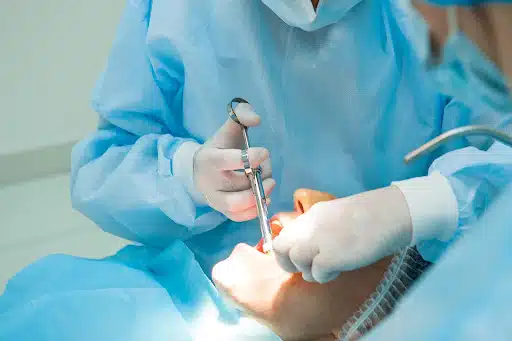
Wisdom tooth removal using Advanced Platelet Technology

Why Advanced Platelet Technology Is Transforming Windsor Wisdom Teeth Removal

Patients in Windsor are increasingly choosing Advanced Platelet Technology because it addresses many of the most common concerns associated with wisdom teeth removal.

Faster and More Efficient Healing

One of the most significant benefits of platelet technology is faster healing. The growth factors released by platelets stimulate the repair of bone and soft tissue. This allows the extraction site to close more efficiently, reducing overall recovery time.

Many patients who undergo Windsor wisdom teeth removal with Advanced Platelet Technology report returning to normal activities sooner than expected.

Reduced Risk of Dry Socket

Dry socket is a common complication after wisdom teeth removal and can be very painful. It occurs when the blood clot protecting the extraction site becomes dislodged or dissolves too early. Platelet technology helps stabilize the blood clot, protecting the surgical area and significantly lowering the risk of dry socket.

This added protection provides peace of mind for patients concerned about post-surgical complications.

Less Pain and Swelling

Swelling and discomfort are common after wisdom teeth extraction. Advanced Platelet Technology helps reduce inflammation by promoting controlled and efficient healing. Many patients experience less swelling and require fewer pain medications during recovery.

This benefit is especially important for patients with busy schedules who want a more comfortable and manageable healing process.

A Natural and Safe Solution

Because platelet technology uses the patient’s own blood, there is no risk of allergic reaction or rejection. This natural approach aligns with modern medical practices that emphasize minimally invasive and biologically compatible treatments.

For patients seeking a safer and more natural healing option, Advanced Platelet Technology is an ideal choice.

Why Windsor Residents Trust Wisdom Tooth Central

When it comes to Windsor wisdom teeth removal, choosing the right provider is just as important as choosing the right technology. Wisdom Tooth Central has earned the trust of local residents by focusing exclusively on wisdom teeth and oral surgery.

Specialized Expertise

Wisdom Tooth Central is led by experienced oral surgeons who focus specifically on wisdom teeth removal. This specialization allows the team to handle even complex cases with confidence and precision.

From simple extractions to impacted wisdom teeth, patients receive expert care tailored to their unique needs.

Personalized Treatment Plans

No two patients are the same. At Wisdom Tooth Central, each patient receives a personalized treatment plan based on their oral health, anatomy, and comfort preferences. Advanced Platelet Technology is often incorporated to support optimal healing and long-term oral health.

Patient-Centered Comfort Options

Wisdom Tooth Central offers a range of sedation and anesthesia options to ensure a comfortable and stress-free experience. Whether patients prefer local anesthesia or deeper sedation, the team prioritizes safety and comfort at every stage of treatment.

Clear Communication and Support

Patients are guided through every step of the process, from initial consultation to post-operative care. Clear instructions, follow-up support, and access to professional guidance help ensure a smooth recovery.

What to Expect During Windsor Wisdom Teeth Removal

Understanding the process can help reduce anxiety and prepare patients for a successful experience.

Initial Consultation

During the consultation, the oral surgeon evaluates the position and condition of the wisdom teeth using advanced imaging. The surgeon discusses whether removal is necessary and explains the recommended treatment approach.

Customized Surgical Plan

A detailed surgical plan is created based on the complexity of the extraction and the patient’s comfort needs. Advanced Platelet Technology is discussed as part of the recovery strategy.

The Procedure

On the day of the procedure, patients receive appropriate anesthesia or sedation. The oral surgeon carefully removes the wisdom teeth while minimizing trauma to surrounding tissues.

Platelet Application

Once the teeth are removed, the platelet solution is placed directly into the extraction sites. This step enhances healing and provides immediate support to the surgical area.

Recovery and Aftercare

Patients receive detailed aftercare instructions, including guidance on pain management, oral hygiene, and diet. The use of platelet technology helps support a smoother and more predictable recovery.

Long-Term Benefits of Advanced Platelet Technology

Beyond immediate recovery, Advanced Platelet Technology can contribute to better long-term oral health outcomes. By promoting stronger bone regeneration and healthier tissue healing, this approach may reduce the likelihood of future dental complications.

Patients who prioritize advanced healing solutions often experience greater confidence and satisfaction with their overall treatment experience.

Frequently Asked Questions

What is Advanced Platelet Technology used for in wisdom teeth removal?

Advanced Platelet Technology is used to enhance healing after wisdom teeth removal. It promotes faster tissue regeneration, reduces inflammation, and lowers the risk of complications such as dry socket.

Is Advanced Platelet Technology safe?

Yes. The technology uses platelets derived from the patient’s own blood, making it a safe and natural option with minimal risk of adverse reactions.

Will platelet technology reduce pain after surgery?

Many patients report reduced pain and swelling after surgery when platelet technology is used. Faster healing often leads to a more comfortable recovery experience.

Is Advanced Platelet Technology suitable for all patients?

Most patients undergoing Windsor wisdom teeth removal can benefit from platelet technology. However, suitability is determined during the consultation based on individual health factors.

Does Wisdom Tooth Central offer platelet technology for all wisdom teeth procedures?

Wisdom Tooth Central frequently incorporates Advanced Platelet Technology into wisdom teeth removal procedures when appropriate. The oral surgeon will discuss this option during the consultation.

Recover Faster and More Comfortably with Advanced Wisdom Teeth Care

Modern oral surgery is no longer just about removing teeth—it’s about improving the entire patient experience. With the use of Advanced Platelet Technology, Windsor wisdom teeth removal has become a more comfortable, efficient, and predictable process.

At Wisdom Tooth Central, patients benefit from specialized expertise, advanced healing techniques, and a commitment to personalized care. For Windsor residents seeking a smarter and more advanced approach to wisdom teeth removal, platelet-enhanced treatment represents a powerful step forward in oral health and recovery.

If you are considering wisdom teeth removal, choosing a provider that prioritizes innovation and patient comfort can make all the difference. Wisdom Tooth Central continues to lead the way in delivering modern, patient-focused oral surgery solutions for the Windsor community.

PRF Therapy & Rapid Recovery | Santa Rosa Oral Surgery

Welcome to Wisdom Tooth Central, your trusted destination for advanced wisdom tooth removal and rapid recovery solutions in Santa Rosa. If you or a loved one is preparing for wisdom tooth extraction, you deserve a surgical experience that prioritizes comfort, healing, and long-term oral health. We specialize in cutting-edge techniques such as platelet-rich fibrin (PRF) therapy, which supports accelerated healing, reduces pain, and promotes a smoother wisdom tooth recovery for Santa Rosa patients.

Learn More

Why Wisdom Tooth Recovery Matters in Santa Rosa

Wisdom teeth, also called third molars, typically emerge between the late teens and early twenties. While some people experience no complications, many encounter issues such as impaction, crowding of other teeth, pain, infection, or cyst formation. In these situations, timely wisdom tooth extraction preserves your oral health and prevents more serious problems down the road.

However, extraction is only part of the journey. How quickly and comfortably you recover is just as important. Post-operative complications such as swelling, pain, and dry socket can make recovery stressful and prolonged. This is why advanced healing methods, including PRF Therapy, are essential for patients seeking a faster and smoother recovery experience.

What Is PRF Therapy?

Platelet-Rich Fibrin (PRF) Therapy is a regenerative healing approach that uses your body’s natural healing abilities to enhance recovery. During the procedure, a small sample of your blood is collected and placed into a centrifuge to separate the fibrin matrix, which is rich in platelets, white blood cells, and growth factors. This PRF material is then placed directly into the extraction site after your wisdom teeth are removed, acting as a biological scaffold that stimulates tissue regeneration and accelerates healing.

Unlike synthetic materials, PRF is completely natural and biocompatible, meaning your body readily accepts it and uses it to improve recovery. This therapy has become an essential tool for dental professionals seeking to reduce post-operative discomfort and enhance healing outcomes for patients undergoing wisdom tooth removal.

Benefits of PRF Therapy for Wisdom Tooth Recovery in Santa Rosa

Incorporating PRF Therapy into your oral surgery plan offers a variety of benefits that directly supportwisdom tooth recovery in Santa Rosa:

Faster Healing and Tissue Regeneration

PRF enhances blood flow and promotes both soft and hard tissue regeneration, which helps your gums and bone heal more efficiently after surgery. Many patients experience shorter recovery periods and improved long-term oral health.

Reduced Post-Operative Pain and Swelling

The growth factors and anti-inflammatory properties in PRF help control swelling and discomfort, often allowing patients to manage recovery with minimal pain medication. This means a smoother and more comfortable return to daily activities.

Lower Risk of Dry Socket

Dry socket occurs when the protective blood clot in the extraction site dislodges, delaying healing and causing significant pain. PRF helps stabilize the clot and supports faster tissue closure, significantly reducing the risk of this common complication.

Natural Infection Defense

PRF contains white blood cells and healing proteins that create a favorable environment for recovery. This helps reduce the risk of infection and supports a safer, more confident healing process.

Stronger Bone Healing

The growth factors in PRF stimulate bone regeneration in the extraction site, improving structural integrity. Stronger bone healing is particularly important for patients considering future dental restorations or implants.

Learn More

Why Choose Wisdom Tooth Central for Your Oral Surgery

At Wisdom Tooth Central, our practice is focused on providing specialized care for wisdom tooth removal while optimizing recovery through advanced technologies like PRF Therapy. Here’s why our patients trust us for their wisdom tooth recovery in Santa Rosa.

Specialized Expertise

Our oral surgeons have extensive experience handling all types of wisdom tooth extractions, from routine to complex impacted cases. Their expertise minimizes discomfort, reduces surgical time, and ensures the best possible outcome.

Advanced Healing with PRF

We incorporate PRF Therapy as a standard part of our post-extraction protocol. This approach accelerates healing, reduces pain, and lowers the risk of complications, making recovery faster and more comfortable.

Convenient Consultations

We offer both in-office and virtual consultations, allowing patients to start their treatment journey comfortably and according to their schedule.

Insurance Assistance and Flexible Payment Options

Our team helps manage insurance claims and offers flexible financing options to make advanced oral surgery accessible and stress-free.

Comprehensive Aftercare Support

From detailed post-operative instructions to follow-up care, we provide guidance every step of the way to ensure your recovery is smooth, predictable, and comfortable.

What to Expect During Your Recovery

Recovery timelines vary from patient to patient, but with PRF Therapy and proper aftercare, many Santa Rosa patients experience significant improvement within days rather than weeks. Key tips for recovery include:

  • Resting and following a soft-food diet for the first 24–48 hours.
  • Avoiding strenuous activity, smoking, and using straws immediately after surgery.
  • Maintaining gentle oral hygiene around the extraction sites to prevent infection.
  • Following all instructions provided by your surgeon for optimal healing.

PRF Therapy not only supports tissue regeneration but also promotes faster bone healing, allowing patients to return to normal routines sooner while minimizing discomfort and potential complications.

Frequently Asked Questions (FAQs)

1. How soon can I return to work or school after wisdom tooth extraction with PRF?

Most patients are able to resume normal activities within 2–3 days following surgery. PRF Therapy enhances comfort and healing, making recovery smoother and faster, though rest is recommended to support the body’s natural healing processes.

2. Does PRF therapy eliminate all pain and swelling?

While PRF significantly reduces post-operative discomfort and swelling, some mild soreness is normal. Each patient’s experience is unique, but PRF improves overall comfort and promotes a quicker recovery.

3. Can anyone receive PRF Therapy?

Most patients undergoing wisdom tooth extraction are suitable candidates for PRF, as it is derived from the patient’s own blood and carries no risk of allergic reactions. Your oral surgeon will review your medical history to determine your eligibility.

4. Will my insurance cover PRF therapy?

Coverage varies depending on your plan. Our team assists with insurance verification and claims, and we offer flexible payment options for any out-of-pocket costs.

5. Is PRF therapy painful?

The process involves drawing a small amount of blood, similar to a routine blood test. The procedure itself is minimally invasive, and the primary discomfort usually comes from the extraction surgery rather than the PRF preparation.

Take the Next Step Toward a Faster Recovery

If you are preparing for wisdom tooth removal or experiencing complications from impacted teeth, Wisdom Tooth Central is here to provide expert care in Santa Rosa. By combining surgical excellence with advanced healing techniques like PRF Therapy, we ensure your wisdom tooth recovery in Santa Rosa is as comfortable, safe, and rapid as possible.

Schedule your consultation today and take the first step toward a healthier smile with a smoother, faster recovery. Our team is committed to providing expert guidance and personalized care every step of the way.

From Consultation to Recovery: A Complete Patient Journey Through Modern Wisdom Tooth Removal

Wisdom tooth removal is one of the most common oral surgery procedures performed today, yet many patients still feel unsure about what the process involves. At Wisdom Tooth Central, patient education and comfort are central to everything we do. Understanding each stage of the journey, from consultation to full recovery, can make the experience far less intimidating and much more manageable.

This guide walks you through the complete patient experience of modern wisdom tooth removal so you know what to expect, how to prepare, and how to recover with confidence.

Understanding Wisdom Teeth and Why Removal Is Recommended

Wisdom teeth are the third molars that usually emerge between the ages of 17 and 25. While some patients have enough room for these teeth to come in properly, many do not. When wisdom teeth lack adequate space, they may become impacted, partially erupted, or misaligned.

Common reasons a wisdom tooth removal is recommended:

  • Pain or pressure in the jaw
  • Infection or inflammation of the gums
  • Damage to nearby teeth
  • Crowding that affects orthodontic alignment
  • Difficulty keeping the area clean
  • Development of cysts or other complications

Even when wisdom teeth are not currently causing pain, removal may be advised to prevent future problems. Early removal often leads to faster healing and fewer complications.

Step 1: The Initial Consultation

The patient journey begins with a comprehensive consultation at Wisdom Tooth Central. This visit allows the oral surgery team to evaluate your needs and design a personalized treatment plan.

What Happens During the Consultation

Review of Medical and Dental History
Your provider will discuss your overall health, medications, and any existing dental concerns that could impact your procedure.

Diagnostic Imaging
Digital X-rays are taken to assess the position of your wisdom teeth and determine whether they are impacted or at risk of causing problems.

Treatment Planning
Based on your imaging and symptoms, your oral surgeon will recommend whether removal is necessary and explain the complexity of the procedure.

Sedation and Anesthesia Options
Anesthesia options are discussed to ensure your comfort, ranging from local anesthesia to IV sedation.

Insurance and Financial Planning
Wisdom Tooth Central assists with insurance coordination and offers flexible payment options to make treatment accessible.

This appointment is also the ideal time to ask questions and address any concerns you may have about wisdom tooth removal.

Step 2: Preparing for Wisdom Tooth Removal

Preparation plays an important role in ensuring a smooth procedure and recovery. Before your surgery, you will receive detailed pre-operative instructions.

Common preparation steps include:

  • Avoiding food and drinks for a specified time before surgery if sedation is planned
  • Adjusting medications as directed
  • Arranging transportation home after your procedure
  • Preparing soft foods and recovery supplies at home

Following these instructions carefully helps reduce complications and supports faster healing.

Step 3: What Happens on the Day of Surgery

On the day of your wisdom tooth removal, the team at Wisdom Tooth Central will ensure you are comfortable and well-informed throughout the process.

During the Procedure

  • Anesthesia is administered to ensure comfort
  • The oral surgeon accesses the tooth, making a small incision if necessary
  • Impacted teeth may be removed in sections for safety and precision
  • The area is cleaned, and stitches may be placed
  • Gauze is applied to control bleeding and promote clot formation

Most wisdom tooth removal procedures are completed in under an hour, depending on the number of teeth and level of impaction.

Step 4: Recovery and Healing

Recovery begins immediately after surgery. While every patient heals differently, understanding what to expect can help you feel prepared.

The First 24 Hours

  • Rest is essential
  • Mild bleeding and swelling are normal
  • Ice packs help reduce swelling
  • Gauze should be changed as directed

Days 1–3

  • Swelling and discomfort may peak
  • Pain is typically managed with prescribed or over-the-counter medications
  • Soft foods should be continued

Days 4–7

  • Swelling gradually decreases
  • Stitches may dissolve or be removed if necessary
  • Normal daily activities can usually be resumed

Full Recovery

Most patients experience significant healing within one to two weeks. Complete tissue healing continues over time but typically does not interfere with normal daily activities.

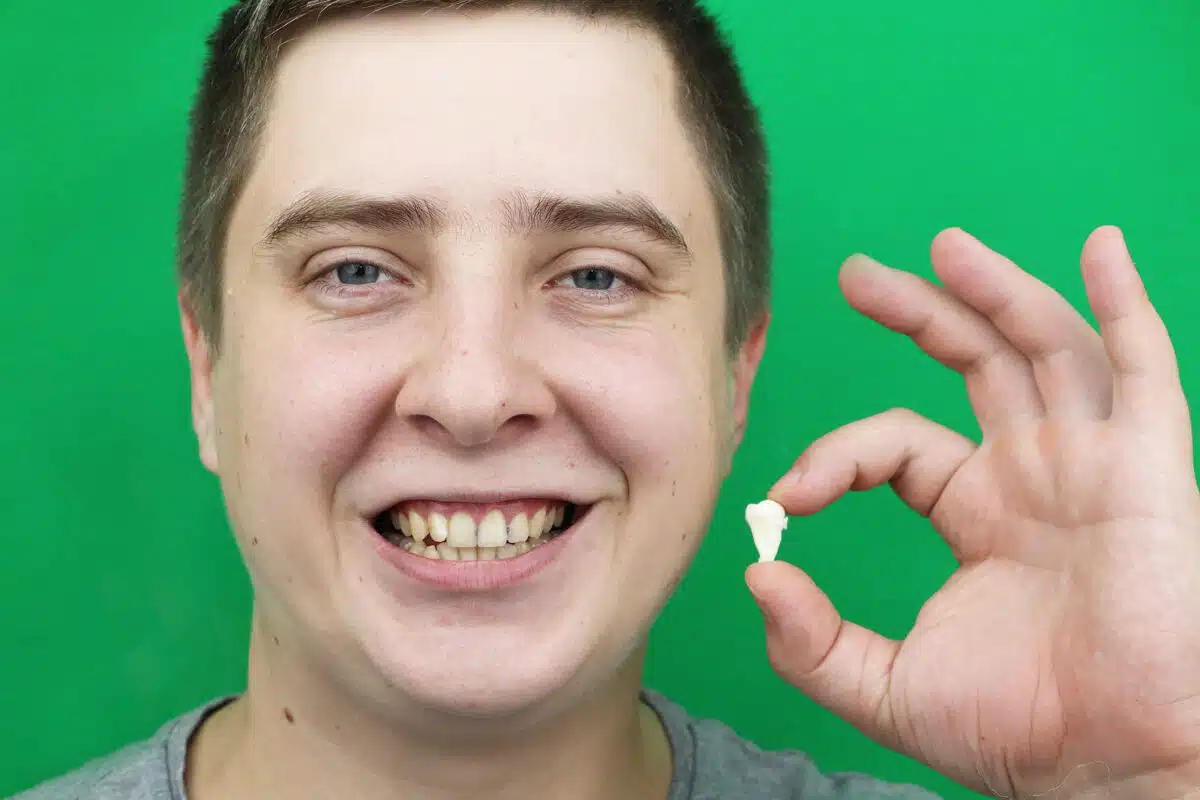
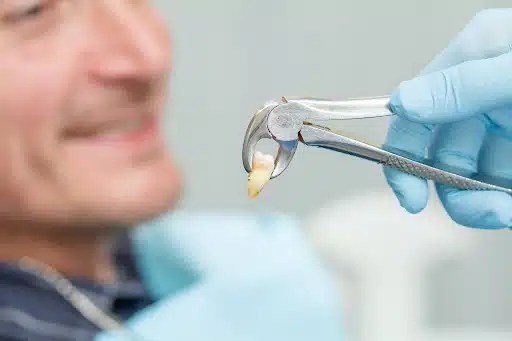
A man holding his wisdom tooth after extraction

Tips for a Smooth Recovery After Wisdom Tooth Removal

Following post-operative instructions closely is key to avoiding complications such as dry socket or infection.

Diet Guidelines

  • Eat soft foods such as yogurt, mashed potatoes, soup, and smoothies
  • Avoid hard, crunchy, or spicy foods during early healing

Activities to Avoid

  • Drinking through straws
  • Smoking or vaping
  • Alcohol consumption
  • Strenuous physical activity for several days

Oral Hygiene

  • Gently brush your teeth, avoiding the surgical area at first
  • Begin gentle saltwater rinses after 24 hours, as instructed

When to Contact Wisdom Tooth Central in Santa Rosa

While most recoveries are uneventful, contact your oral surgeon if you experience:

  • Severe or worsening pain
  • Excessive bleeding
  • Fever or signs of infection
  • Persistent numbness
  • Swelling that increases after the third day

Prompt communication ensures potential issues are addressed early

Frequently Asked Questions About Wisdom Tooth Removal

How long does recovery take after wisdom tooth removal?

Most patients recover within one to two weeks. Many return to work or school within a few days, depending on comfort and healing.

Is wisdom tooth removal painful?

The procedure itself is not painful due to anesthesia. Some discomfort afterward is normal and manageable with proper care and medication.

What foods can I eat after wisdom tooth removal?

Soft foods such as applesauce, yogurt, smoothies, scrambled eggs, and soups are recommended during the initial recovery period.

Can all wisdom teeth be removed at once?

Yes. In most cases, all problematic wisdom teeth are removed during a single appointment to minimize recovery time.

Will I need stitches after my procedure?

Stitches are sometimes used and are often dissolvable. Your surgeon will let you know what to expect based on your case.

Let Our Specialists Guide You Through Wisdom Tooth Removal

Wisdom tooth removal is a routine and highly effective procedure that can protect your long-term oral health. From your initial consultation to complete recovery, Wisdom Tooth Central in Santa Rosa is committed to providing expert care, clear communication, and a comfortable patient experience.

If you are considering wisdom tooth removal or have been experiencing symptoms related to your wisdom teeth, scheduling a consultation is the first step toward relief and peace of mind. Contact us today for more details.

After Wisdom Teeth Extraction in Santa Rosa, CA

When it comes to post-wisdom teeth extraction care in Santa Rosa, proper recovery is key to how quickly and comfortably you heal. At Wisdom Tooth Central, we believe that excellent results don’t end when the procedure is complete. They continue through clear instructions, attentive follow-up, and informed patients who know what to expect after surgery.

If you or a loved one has recently undergone wisdom teeth removal, this guide will walk you through the recovery process, from the first 24 hours to the weeks ahead. Understanding how to care for your mouth after surgery can help reduce discomfort, prevent complications, and support a smooth healing experience.

What Happens After Wisdom Teeth Removal

Wisdom teeth extraction is a common oral surgery procedure, especially among teens and young adults. After the procedure, your body immediately begins healing by forming blood clots at the extraction sites. These clots protect the underlying bone and nerves and are essential for proper recovery.

It’s normal to experience some bleeding, swelling, stiffness, and soreness in the days following surgery. These symptoms typically peak within the first 48 to 72 hours and gradually improve. Following post-operative instructions carefully is the best way to manage symptoms and avoid complications.

At Wisdom Tooth Central, we focus exclusively on wisdom teeth care, which allows us to provide detailed guidance tailored to the needs of patients in Santa Rosa and surrounding communities.

The First 24 Hours: Critical Recovery Time

The first day after surgery is the most important phase of healing. During this time, your primary goals should be rest, clot protection, and swelling control.

Bleeding Control

Light bleeding or oozing is normal on the day of surgery. Bite gently on the gauze provided to help stop bleeding and allow clots to form. Replace gauze as instructed. Avoid excessive talking, chewing, or moving the gauze around unnecessarily.

Rest and Positioning

Rest with your head elevated using pillows. Keeping your head higher than your heart helps reduce swelling and bleeding. Avoid bending over or engaging in physical activity.

Cold Therapy

Applying ice packs to the outside of your cheeks for 20 minutes on and 20 minutes off can help minimize swelling and discomfort. This is especially helpful during the first 24 hours.

Managing Pain and Swelling

Discomfort after wisdom teeth extraction is expected, but it can be managed effectively with the right approach.

  • Take prescribed or recommended pain medication exactly as directed.
  • Avoid taking medications on an empty stomach unless advised otherwise.
  • Swelling often increases on the second or third day before it begins to improve.

After the first 24 hours, switching from cold compresses to gentle warmth can help relieve jaw stiffness and muscle soreness.

Protecting the Blood Clot

One of the most important aspects of post-wisdom teeth extraction care in Santa Rosa that patients should understand is clot protection. Losing the blood clot can lead to a painful condition known as dry socket.

To protect the clot:

  • Do not use straws
  • Avoid smoking or vaping
  • Do not spit forcefully
  • Avoid vigorous rinsing
  • Limit touching the extraction area with your tongue or fingers

These precautions should be followed closely for at least the first several days after surgery.

Oral Hygiene After Wisdom Teeth Removal

Keeping your mouth clean is essential, but it must be done gently.

First 24 Hours

Avoid brushing, rinsing, or using mouthwash near the extraction sites. Let the area rest and heal.

After 24 Hours

You may resume gentle brushing of your other teeth, being careful around the surgical areas. Rinsing with warm salt water several times a day, especially after eating, can help keep the mouth clean and reduce bacteria.

Avoid commercial mouthwashes unless they are specifically recommended by your oral surgeon.

Eating and Drinking During Recovery

Your diet plays a major role in healing. Stick to soft, easy-to-eat foods that don’t require much chewing.

Recommended Foods

  • Yogurt
  • Mashed potatoes
  • Scrambled eggs
  • Applesauce
  • Smooth soups (not hot)
  • Protein shakes (without using a straw)

Foods to Avoid

  • Crunchy or hard foods
  • Spicy or acidic foods
  • Hot foods and drinks
  • Seeds, nuts, or chips
  • Alcohol

Gradually reintroduce solid foods as your comfort improves and as directed by your oral surgeon.

What is the proper post-wisdom teeth extraction care in Santa Rosa

Physical Activity and Recovery

Rest is essential during the first few days. Avoid exercise, heavy lifting, or strenuous activity for at least 48 to 72 hours. Physical exertion can increase blood pressure and disrupt the healing process.

As swelling and discomfort decrease, you can slowly return to normal activities, but listen to your body and stop if you experience pain or bleeding.

Normal Healing Timeline

Every patient heals differently, but most follow a similar general timeline:

  • Days 1–2: Swelling, soreness, and limited jaw movement are common.
  • Days 3–5: Swelling begins to decrease, discomfort becomes more manageable.
  • One week: Many patients feel significantly better and can return to most normal routines.
  • Two weeks and beyond: The extraction sites continue to heal beneath the surface.

Even if you feel better quickly, continue following care instructions until healing is complete.

When to Call Wisdom Tooth Central

While some discomfort is normal, certain symptoms may indicate a problem. Contact Wisdom Tooth Central if you experience:

  • Severe or worsening pain after several days
  • Excessive or uncontrolled bleeding
  • Fever or signs of infection
  • Pus, bad taste, or foul odor
  • Persistent numbness
  • Intense pain radiating to the ear or jaw

Early treatment can prevent complications and support faster healing.

Why Choose Wisdom Tooth Central

At Wisdom Tooth Central, we specialize exclusively in wisdom teeth care. Our focused approach allows us to provide precise treatment, advanced surgical techniques, and detailed recovery guidance tailored to each patient. Serving Santa Rosa and surrounding communities, we are committed to making both your procedure and recovery as comfortable as possible.

FAQs About Post-Wisdom Teeth Extraction Care in Santa Rosa

How long does pain last after wisdom teeth extraction?

Most discomfort improves significantly within three to five days. Mild soreness may last longer but should gradually decrease.

When can I return to work or school?

Many patients return within two to three days, depending on the complexity of the procedure and how they feel.

Is swelling normal after surgery?

Yes. Swelling typically peaks around days two or three and then slowly subsides.

What is dry socket?

Dry socket occurs when the blood clot at the extraction site is lost too early, exposing bone and nerves. It can cause severe pain and requires professional treatment.

Can I brush my teeth after surgery?

Yes, but avoid the extraction sites for the first 24 hours and brush gently afterward.

Need Expert Support During Your Recovery? Contact Wisdom Tooth Central

Proper post-wisdom teeth extraction care can make a significant difference in healing time and comfort. By resting, protecting the blood clot, eating wisely, and following your surgeon’s instructions, you can support a smooth recovery.

At Wisdom Tooth Central, we’re here to guide you every step of the way, from your initial consultation to full recovery. If you have questions or concerns after your procedure, our experienced team is always ready to help. Contact us for more details.

Current Patient

New Patient